Monuments
to Motherhood
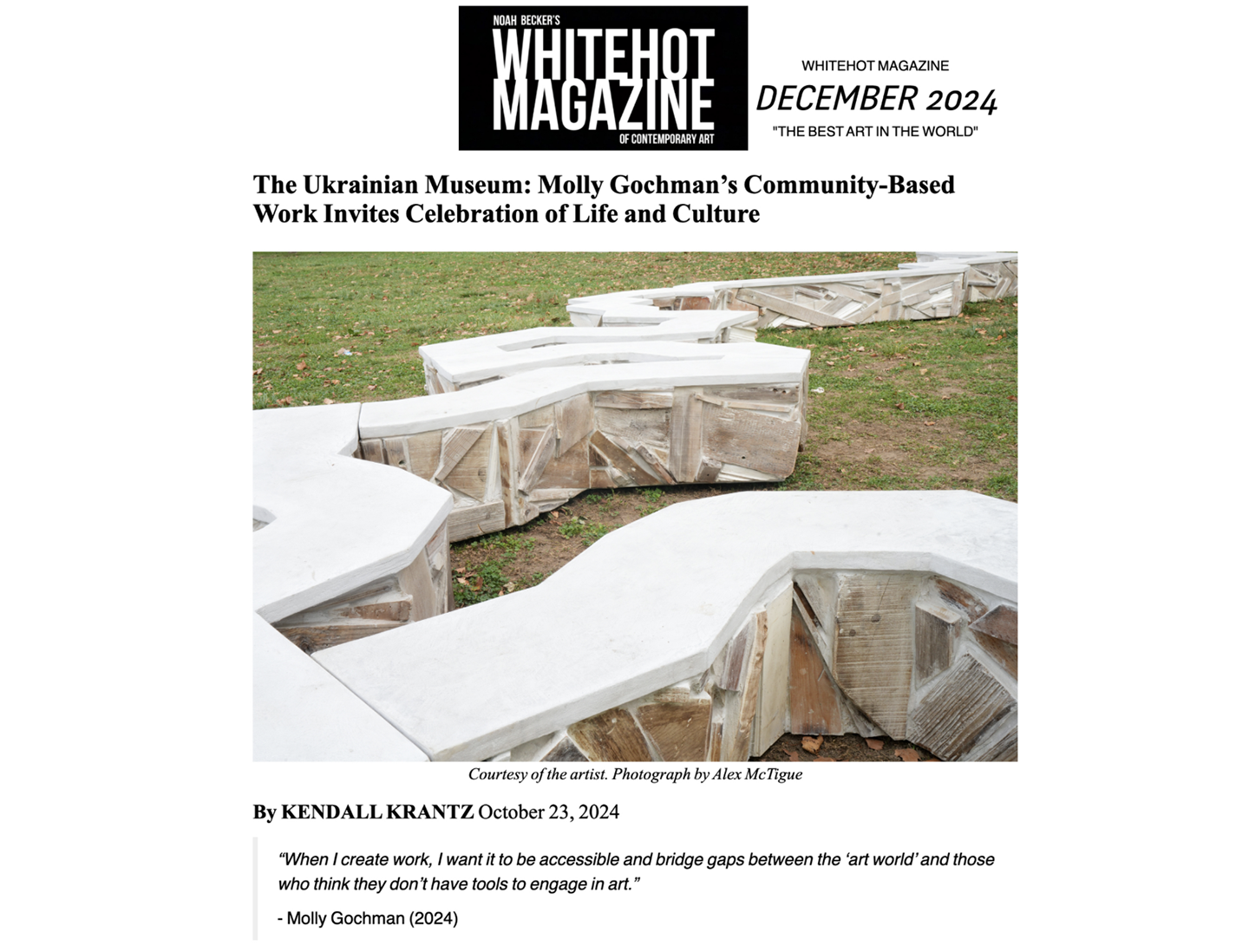
Recognizing care as our shared foundation is only the beginning. We are listening, learning, and building alongside communities to transform the invisible labor of care into a visible, public legacy.

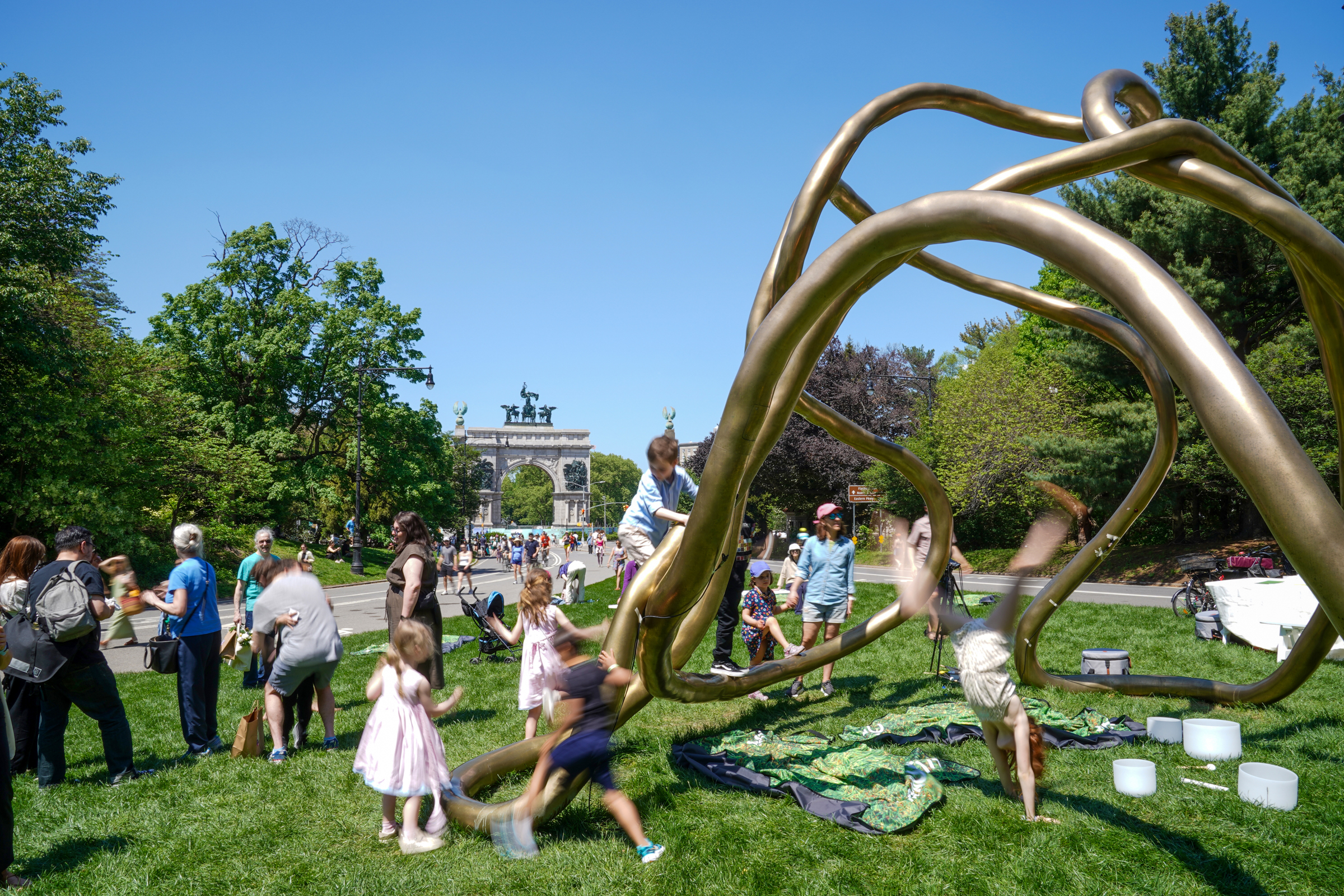
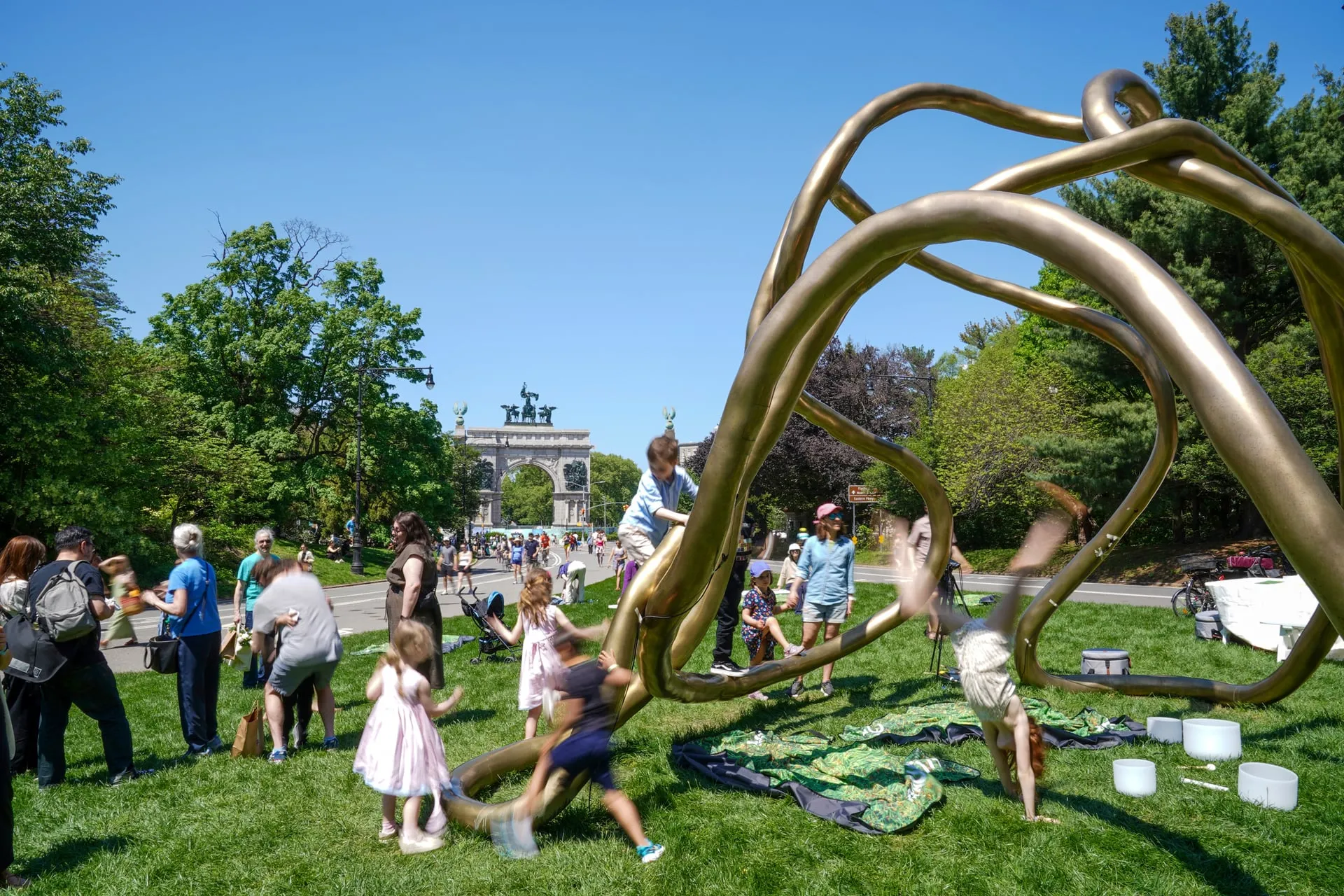
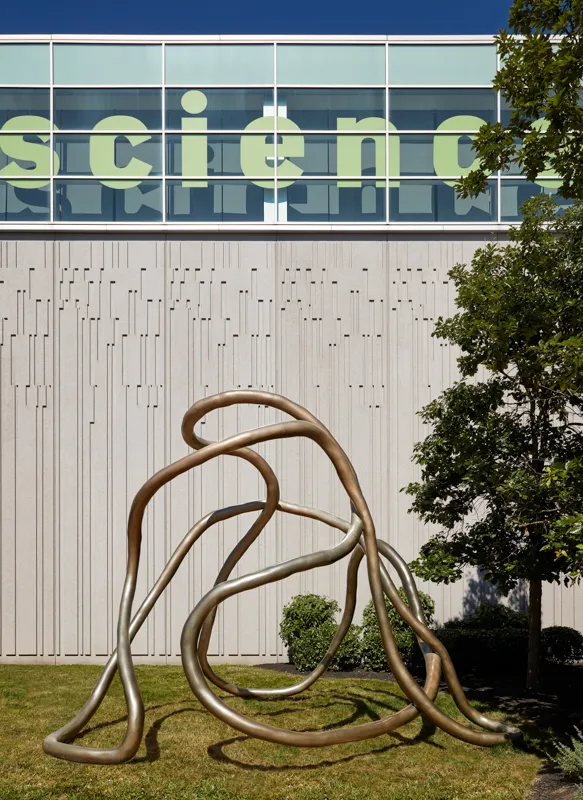
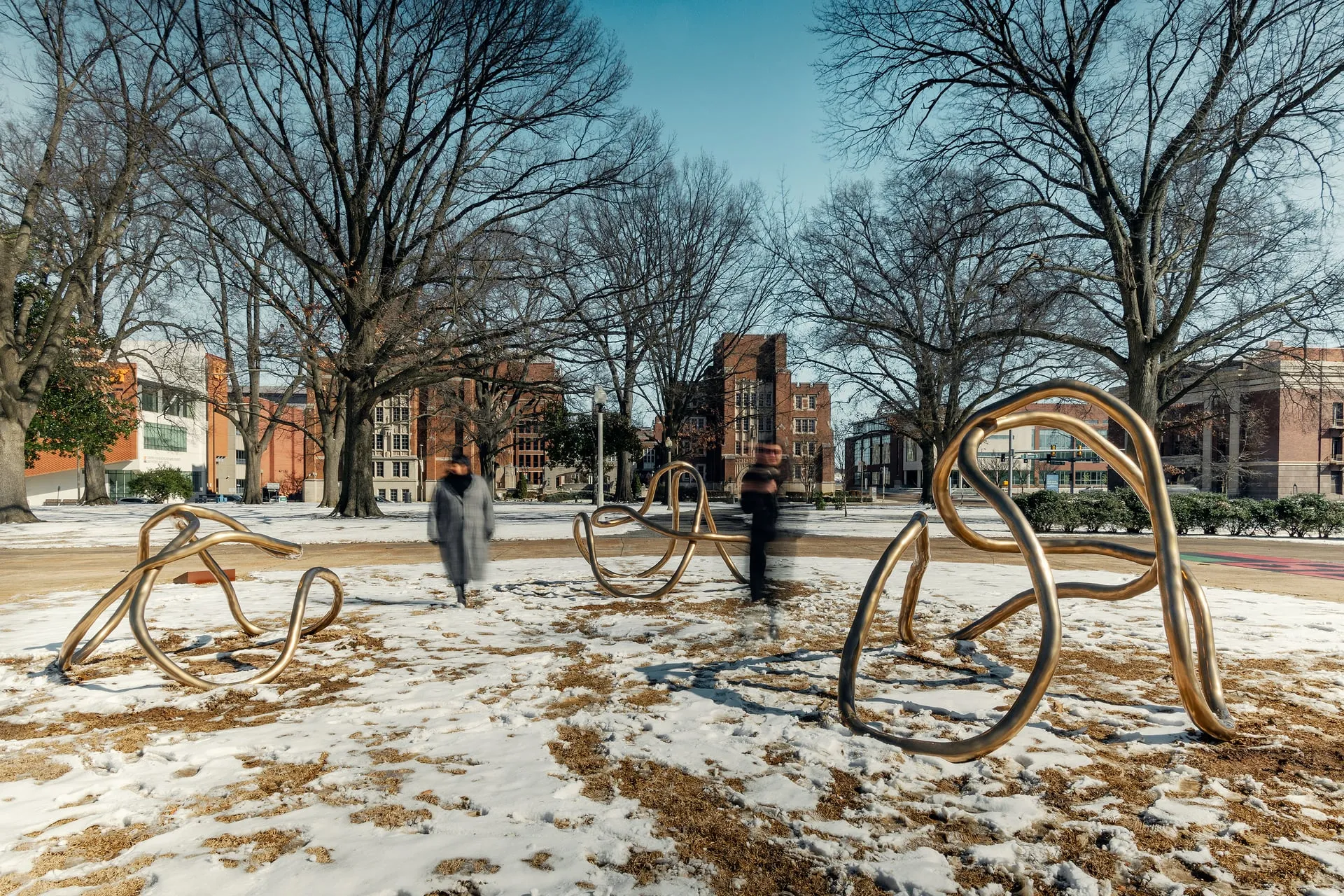
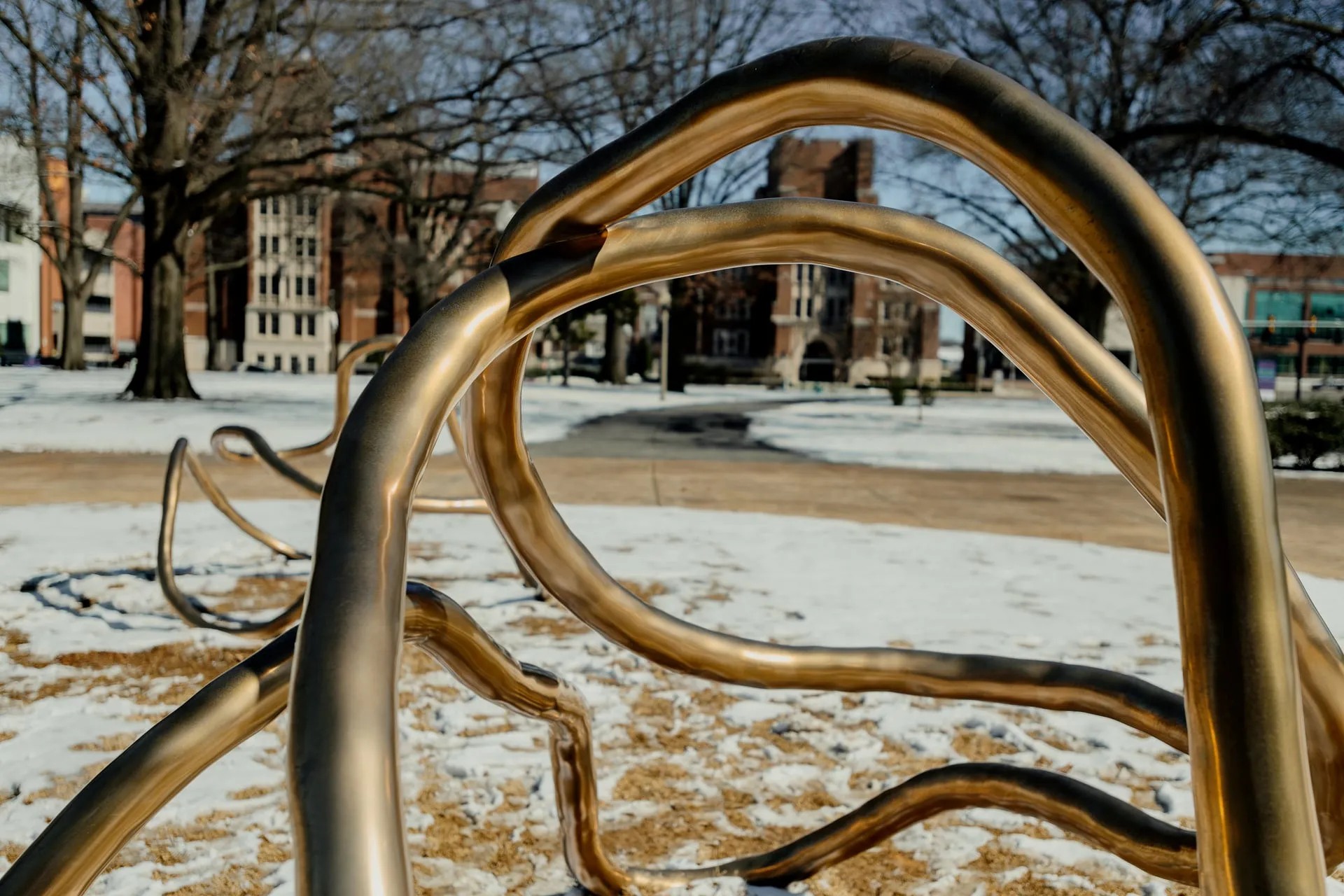
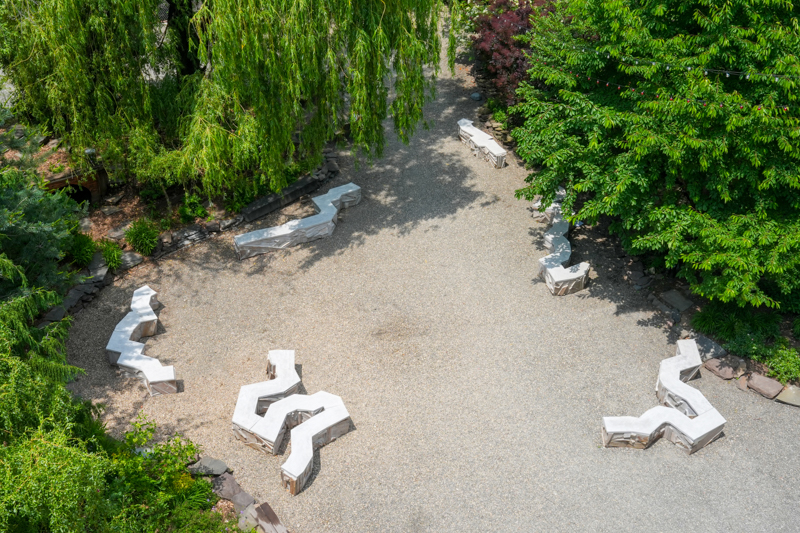
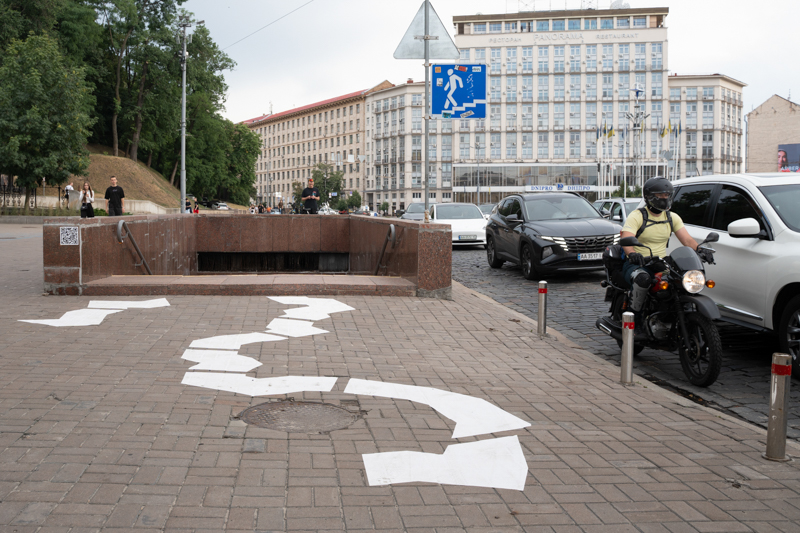
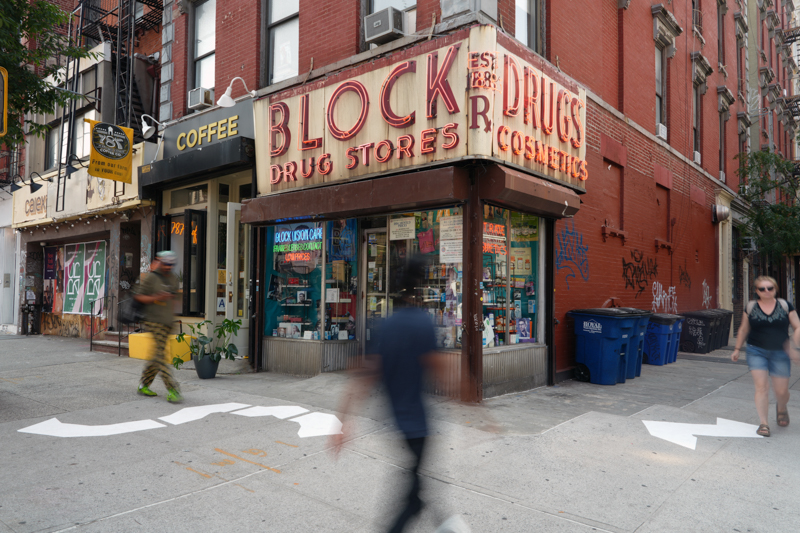
The expanding presence of Monuments to Motherhood is a story of global connection, collective memory, and active civic partnership. From the green spaces of New York City to the public squares of Memphis, Oaxaca, and São Paulo, the path of the sculpture creates a continuous stitching across borders.
By connecting these distinct regional contexts, the project builds a visible, global infrastructure for social change—proving that while the expressions of care are local, its necessity is entirely universal. The artwork does not simply occupy a landscape; it learns from the people who host it.
New York / New Jersey
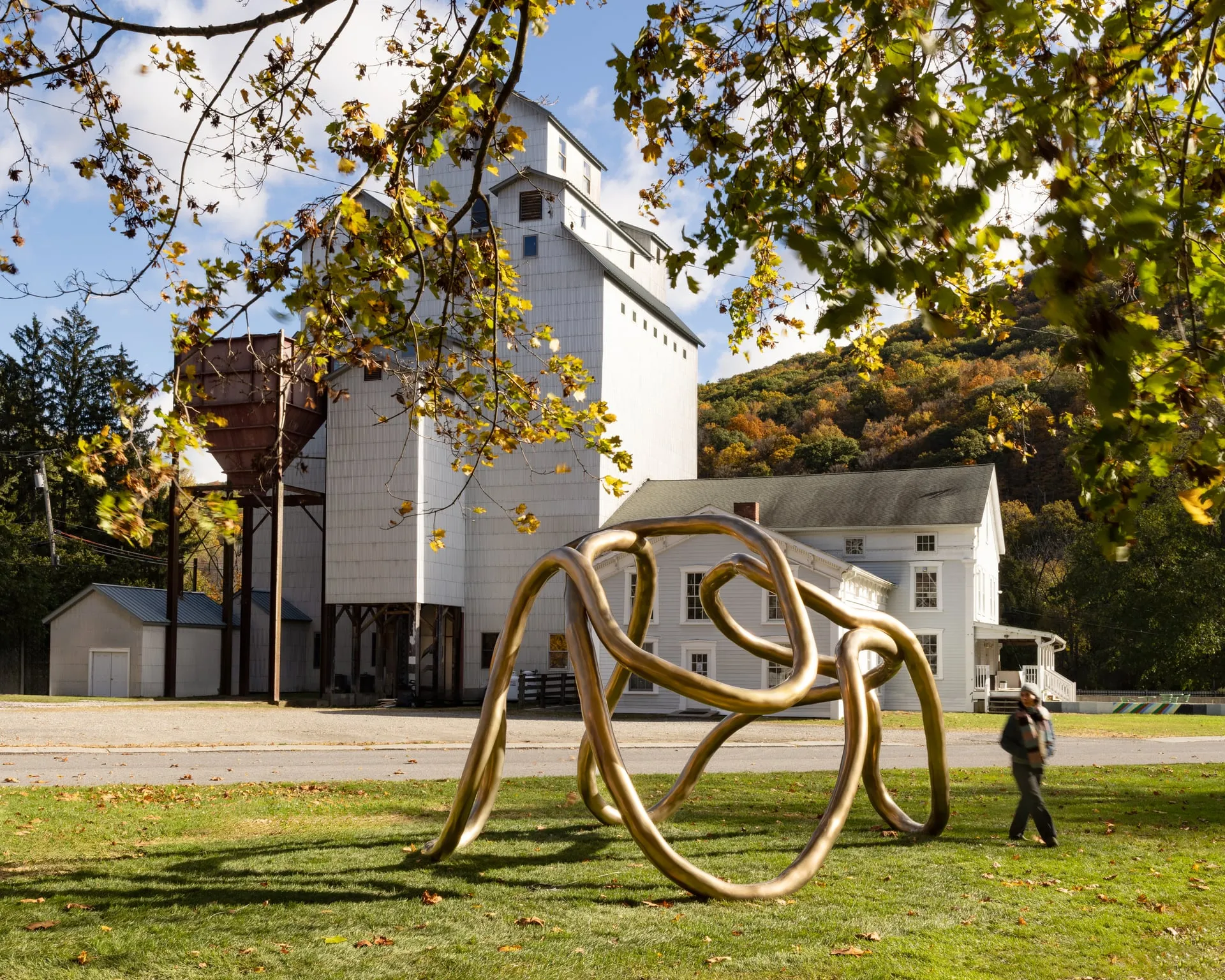
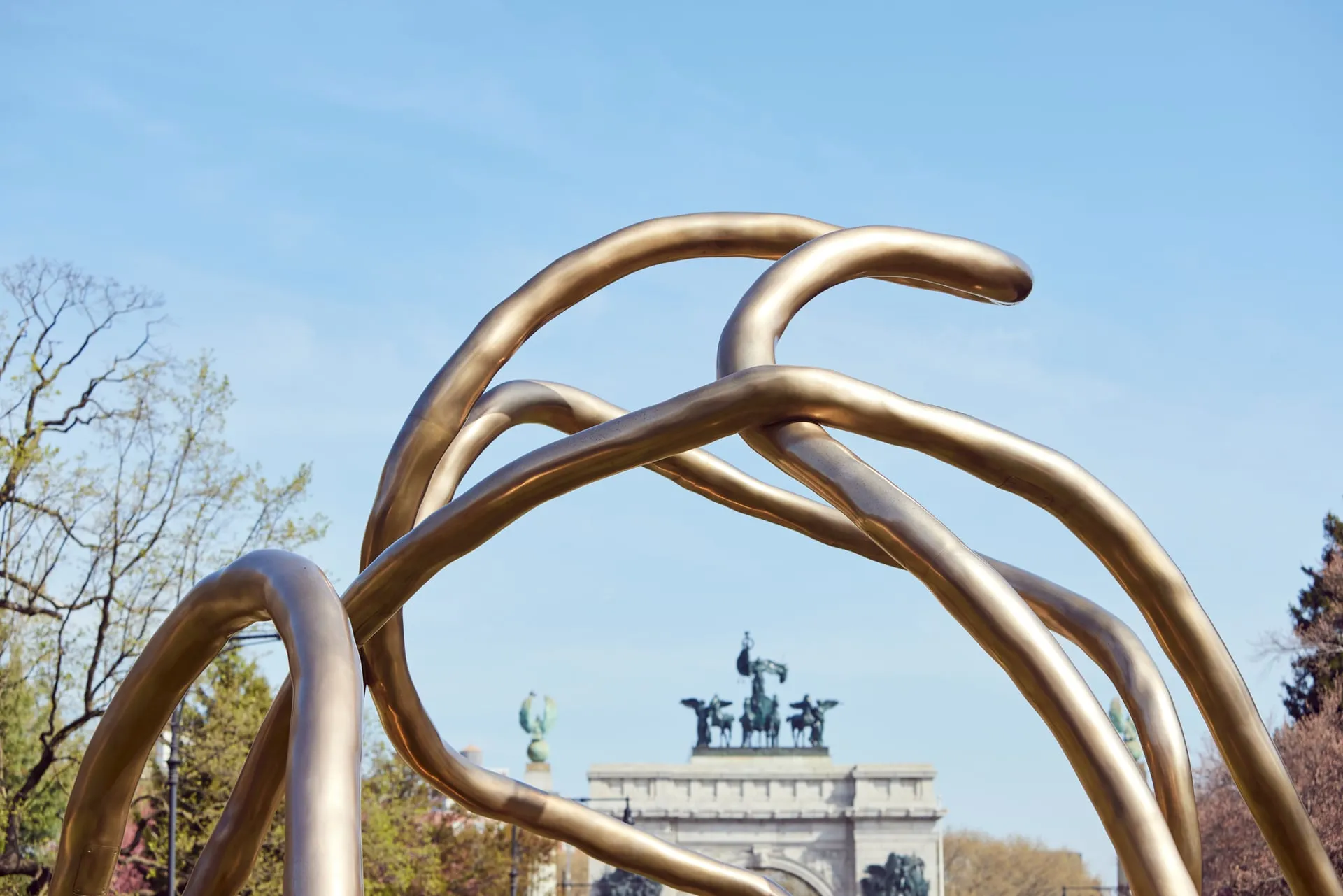
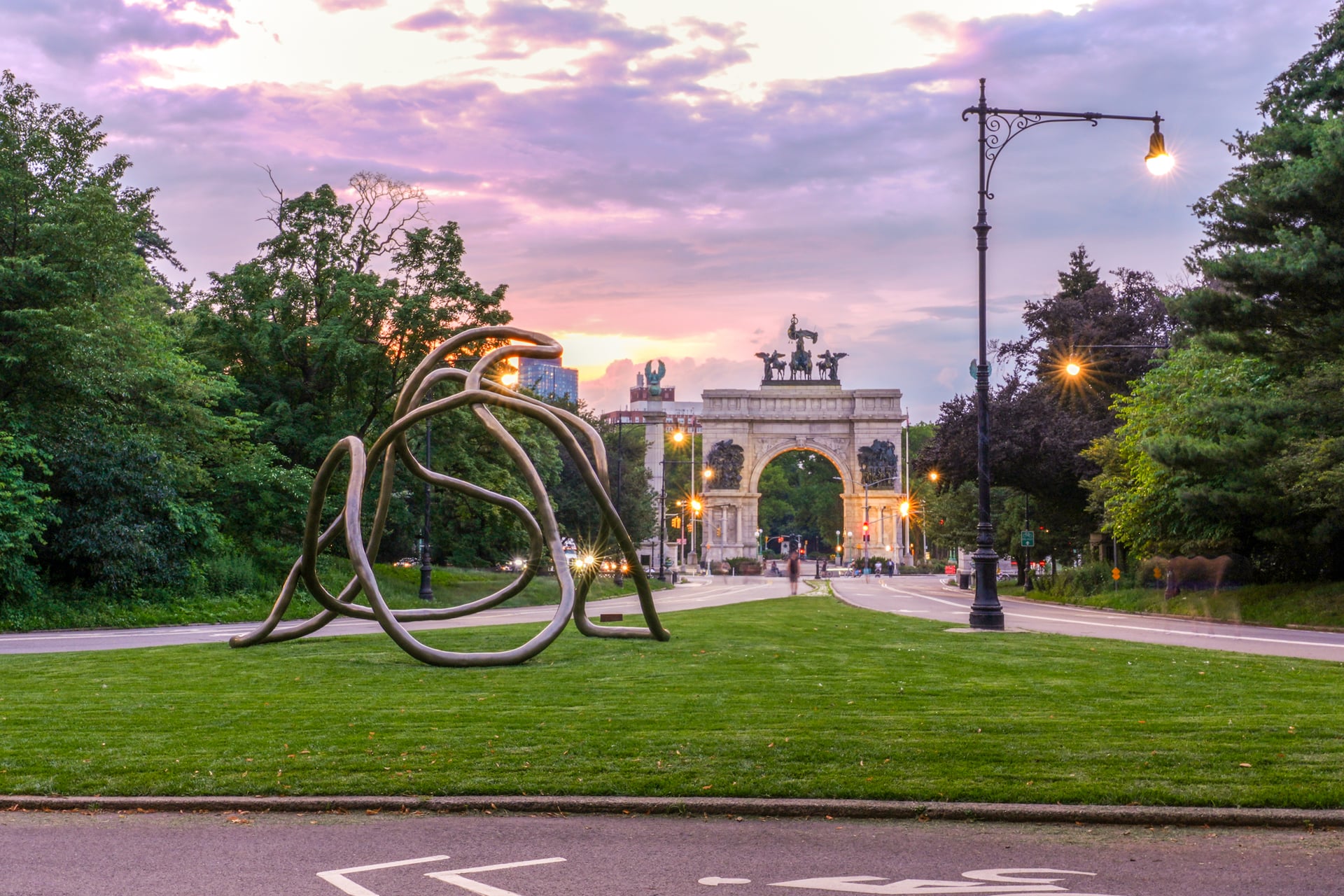
Tennessee
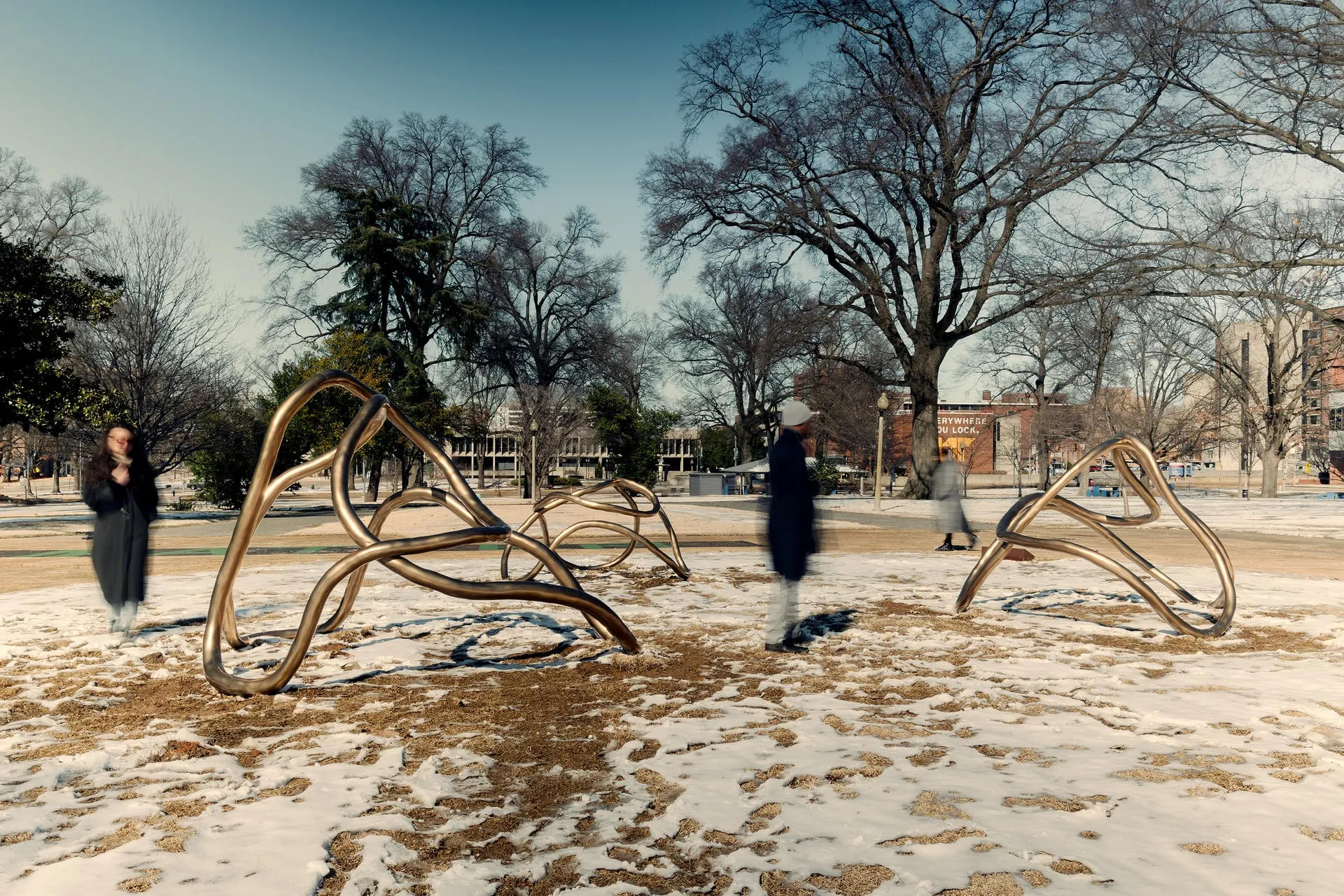
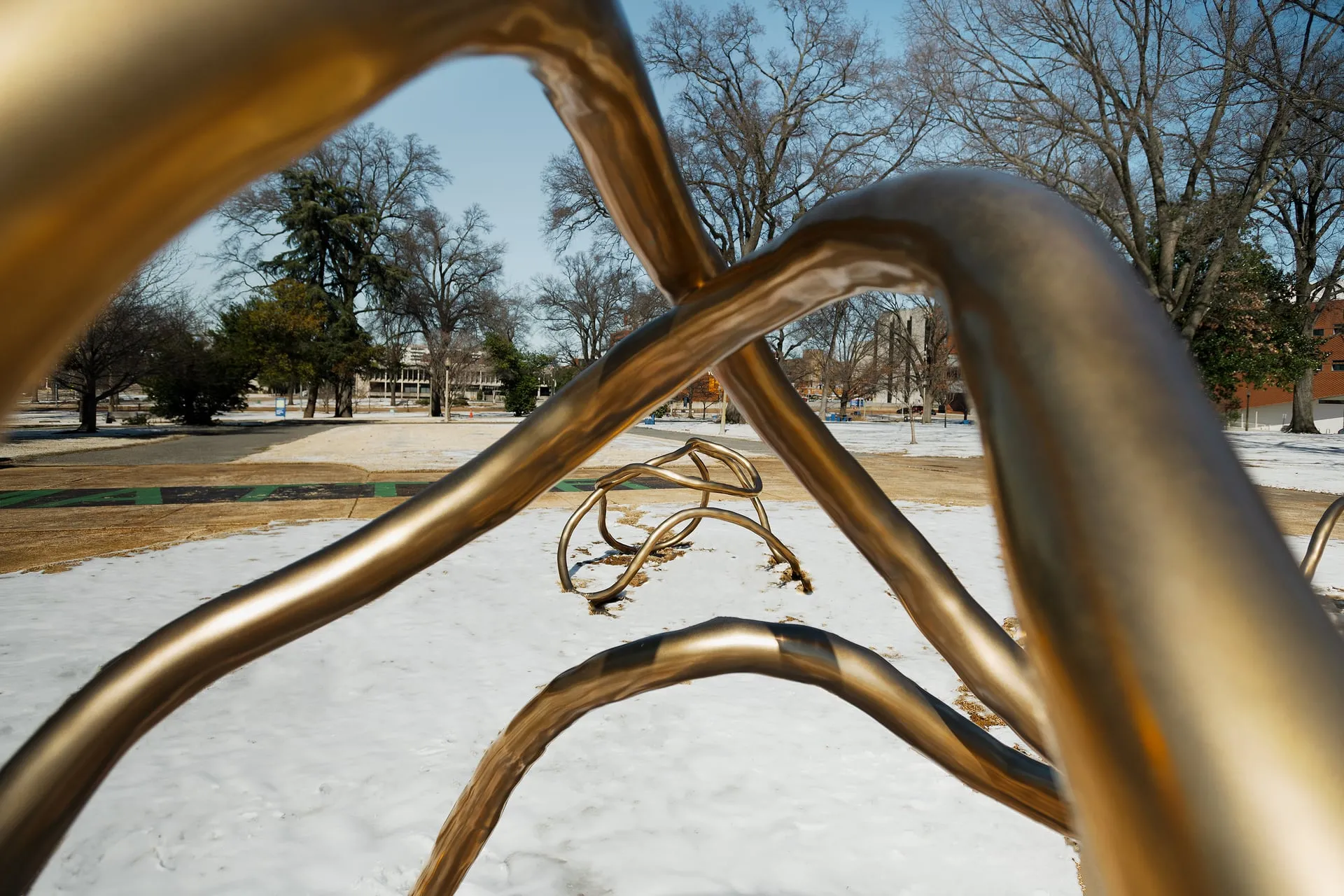
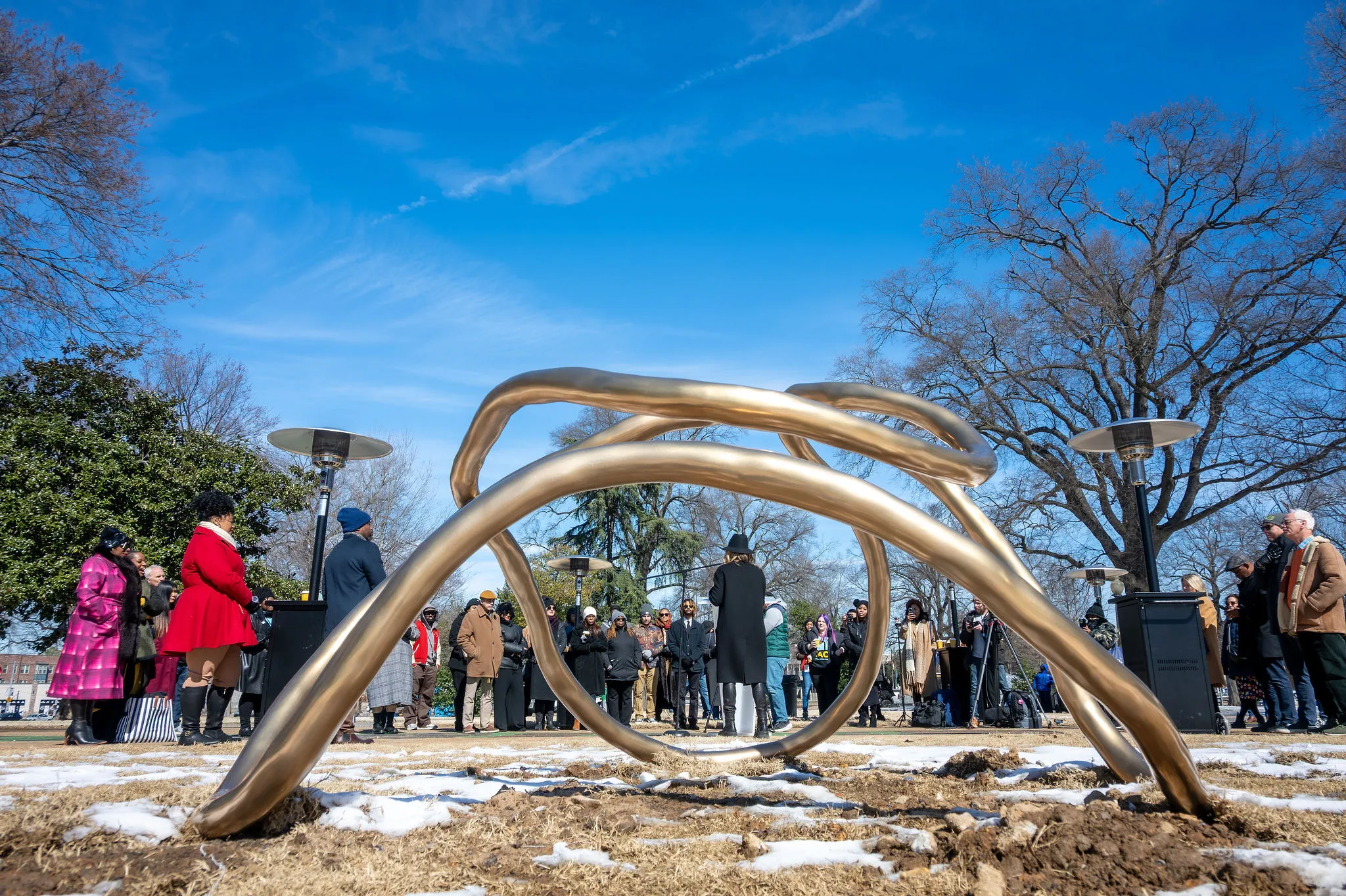
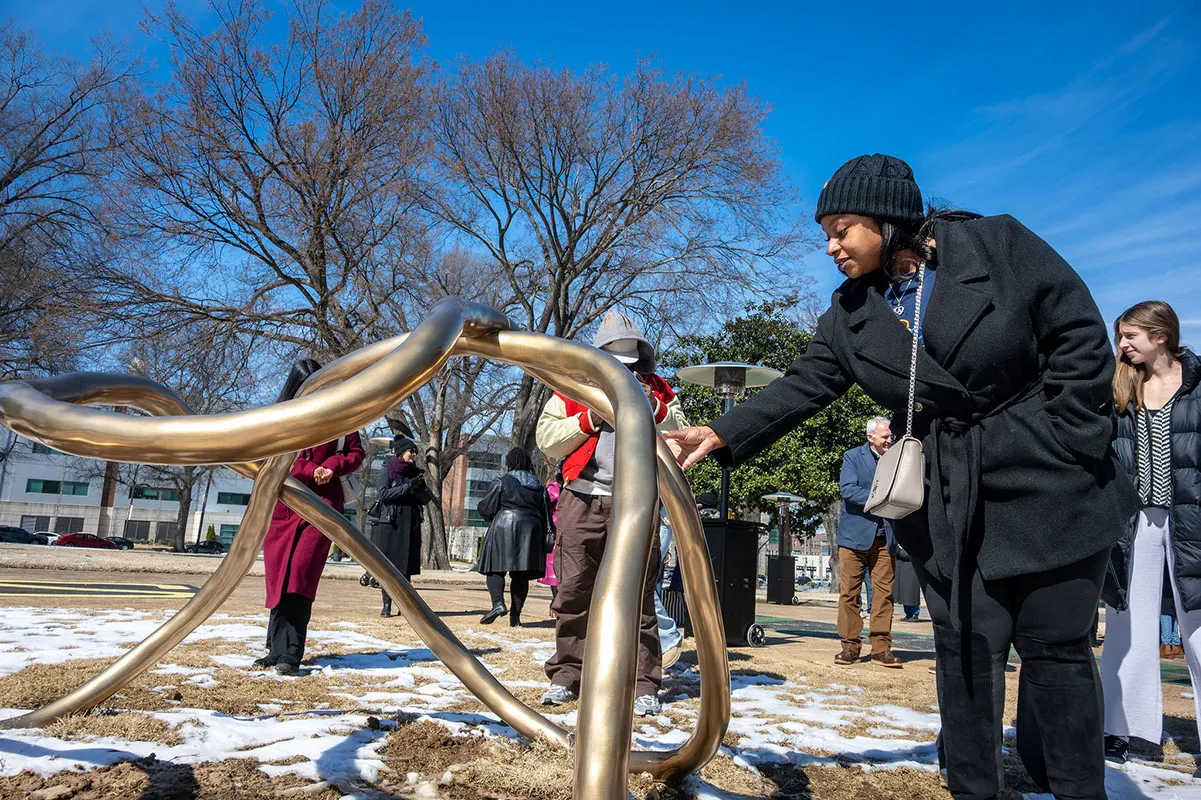
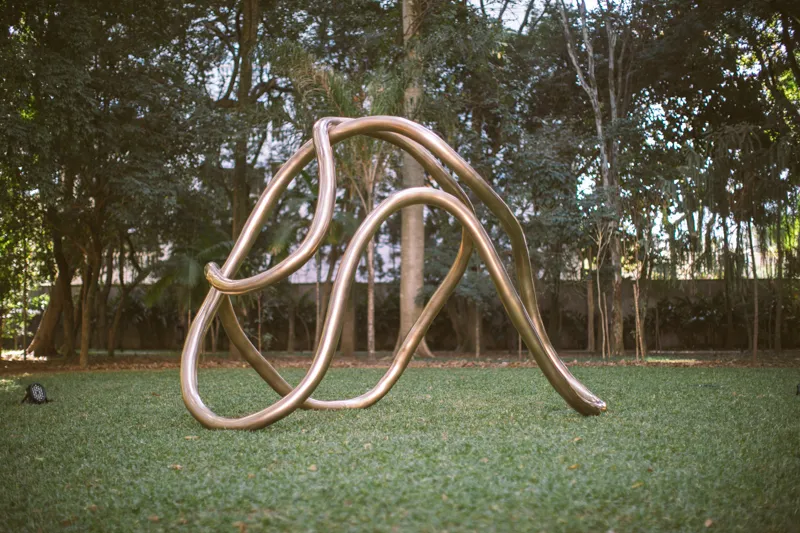
São Paulo
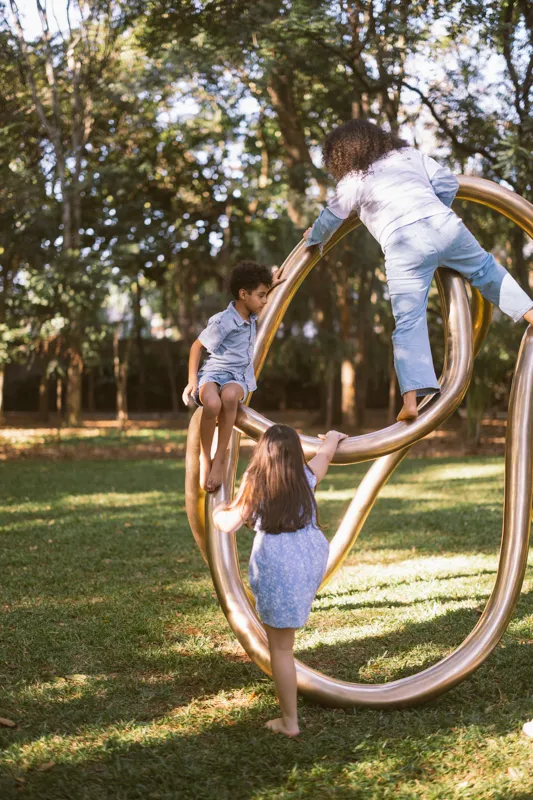
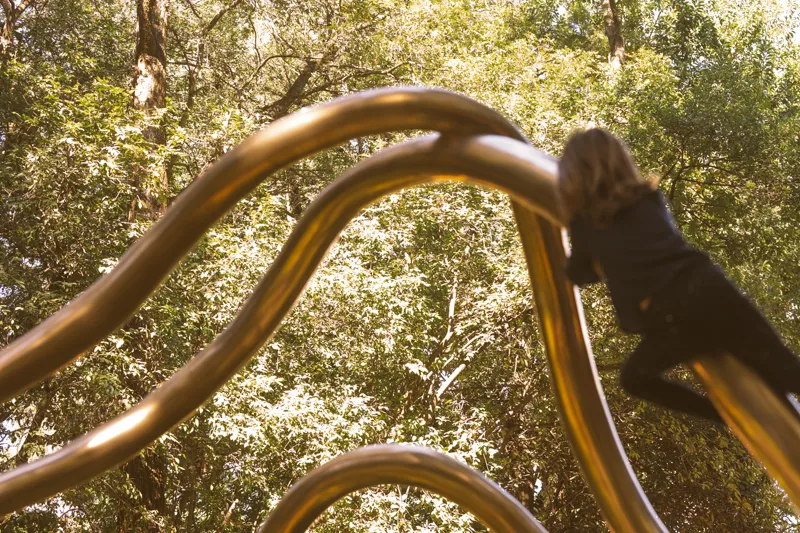
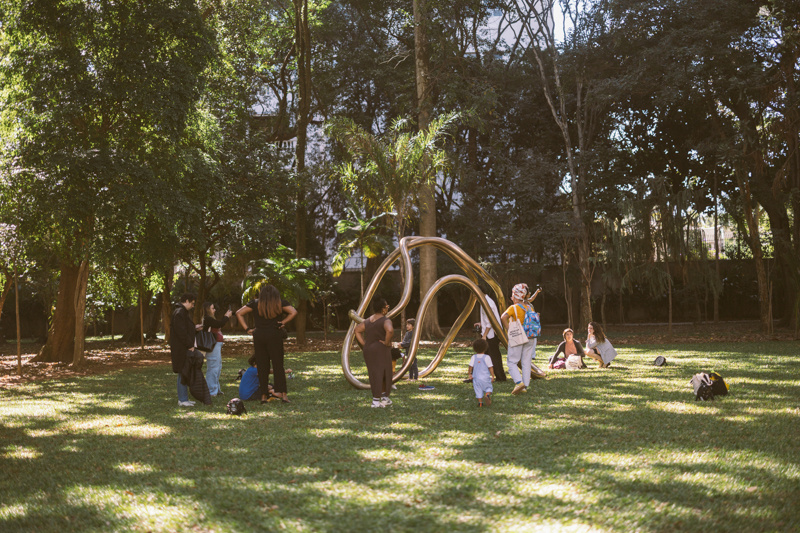
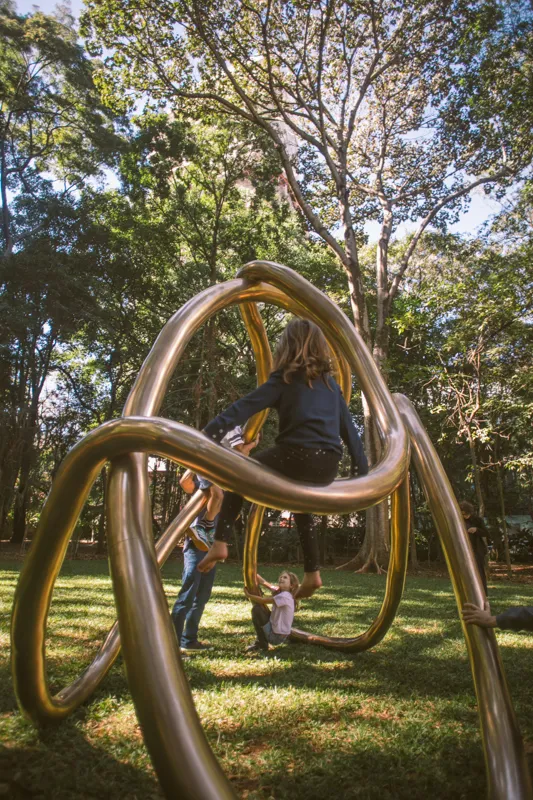
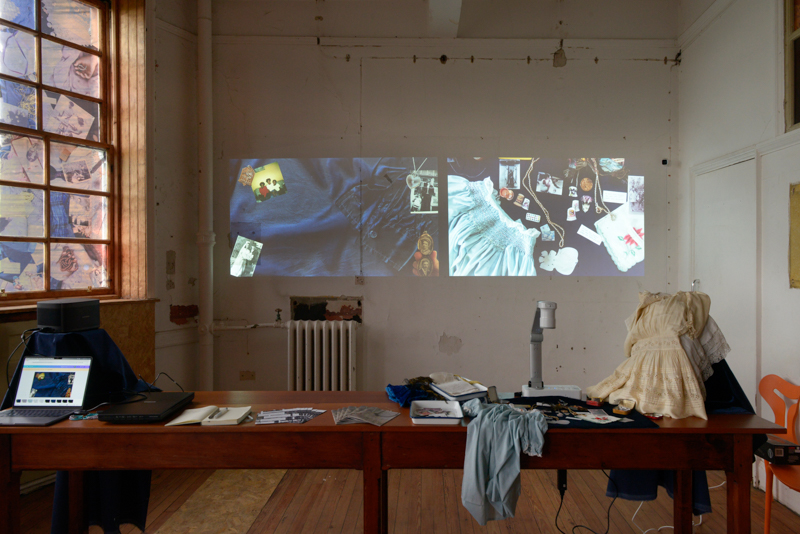
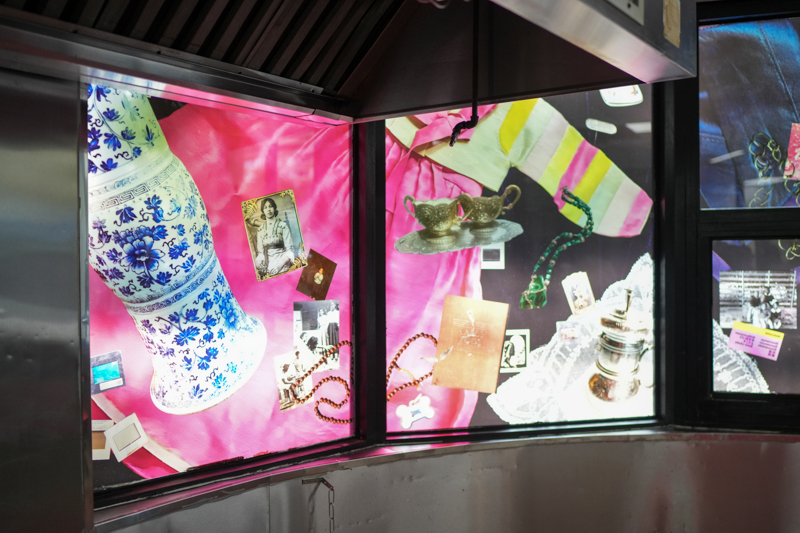
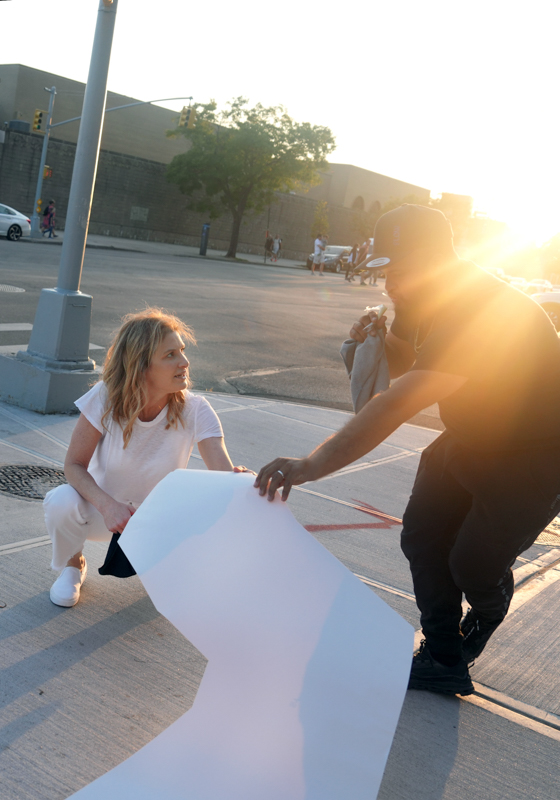
Monuments to Motherhood begins its international journey in community with São Paulo, first at Solar Fábio Prado, alongside Fundação Maria Cecilia Souto Vidigal's exhibition on early childhood care, then continuing to Parque Burle Marx.
Oaxaca
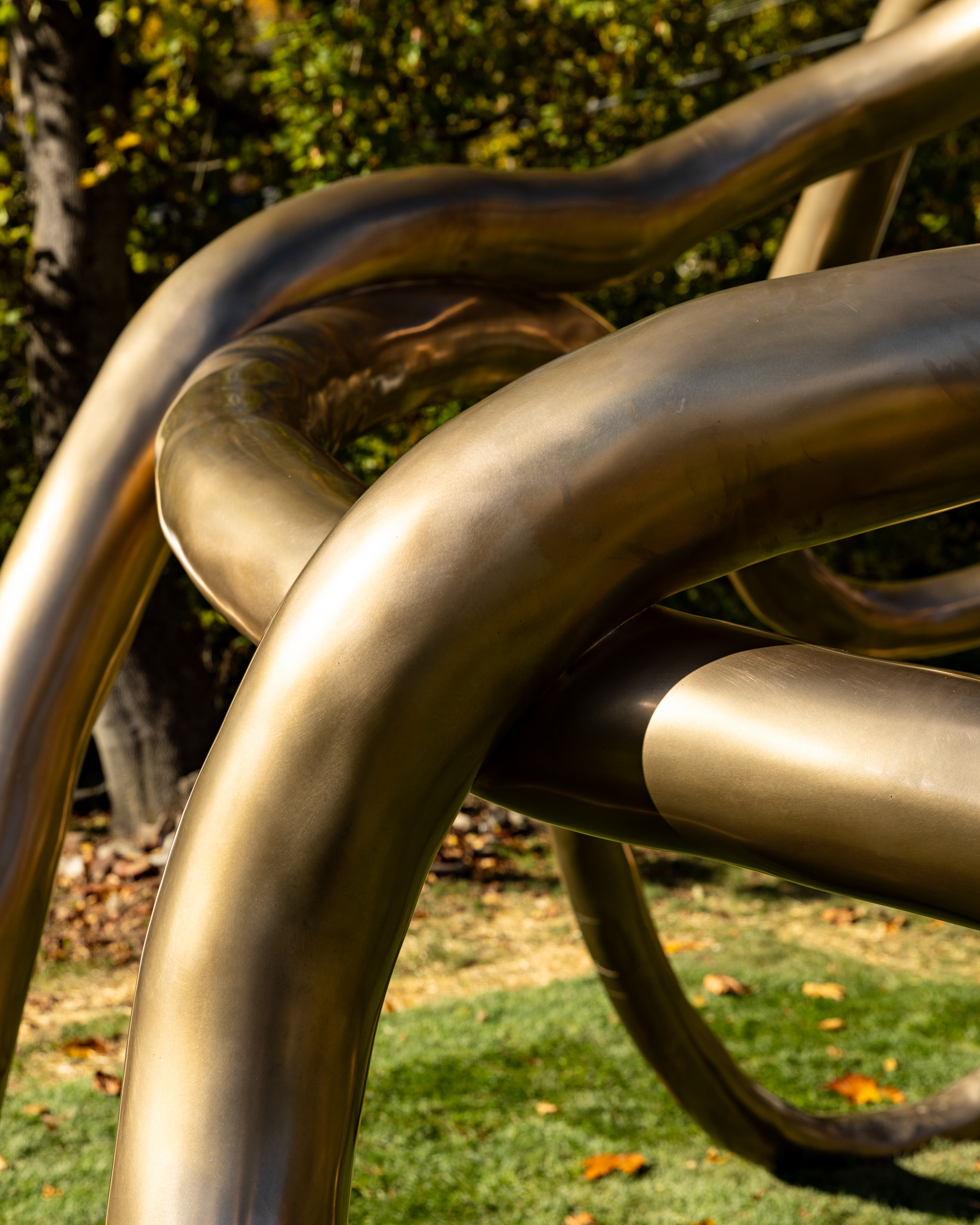
Monuments to Motherhood's presence in global communities is a direct commitment to deep listening and collaborative learning. Art has the unique power to create shared meaning. It transcends language barriers and borders, enabling a sense of dialogue and belonging while making the invisible labor of care visible.
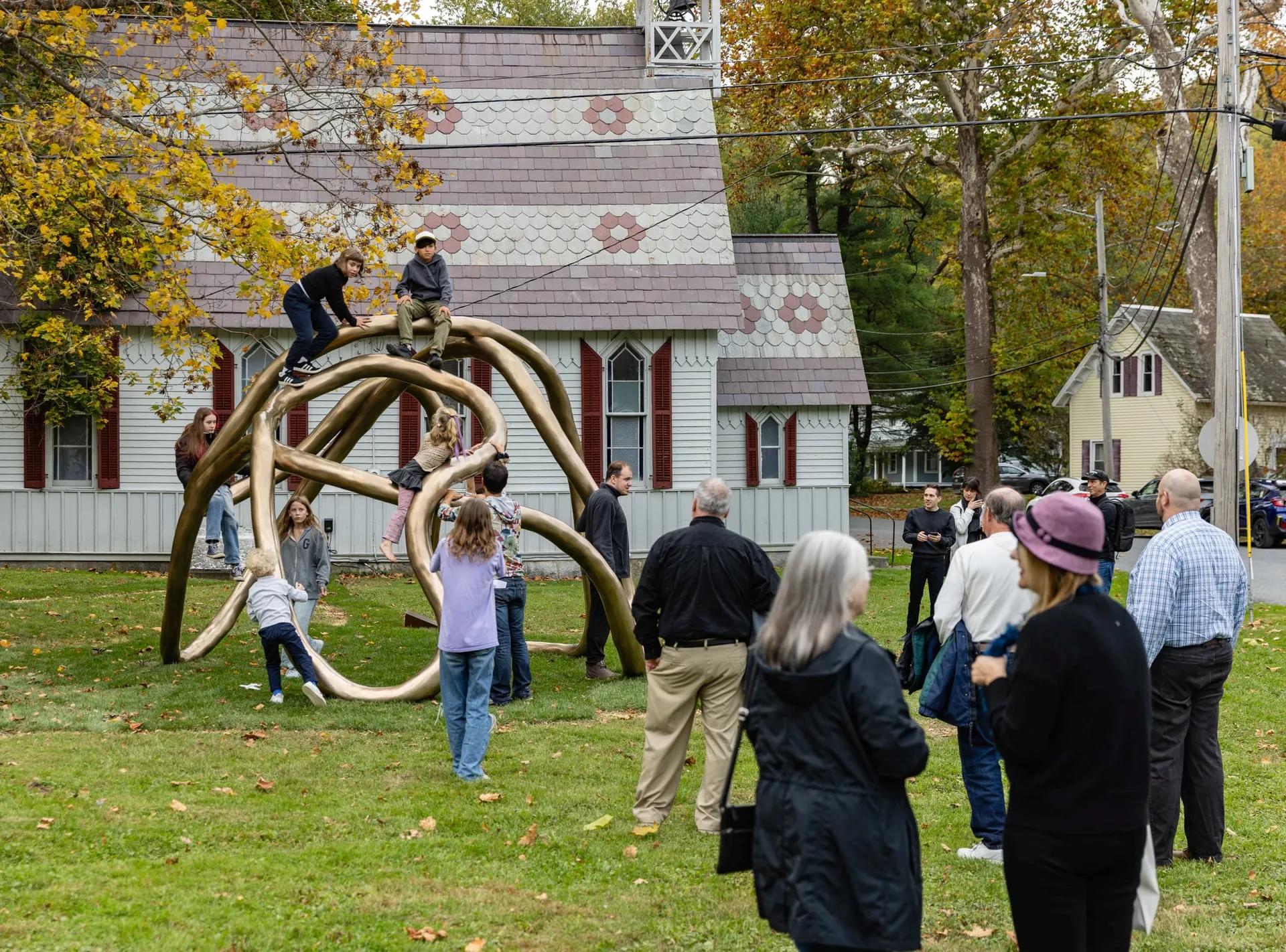
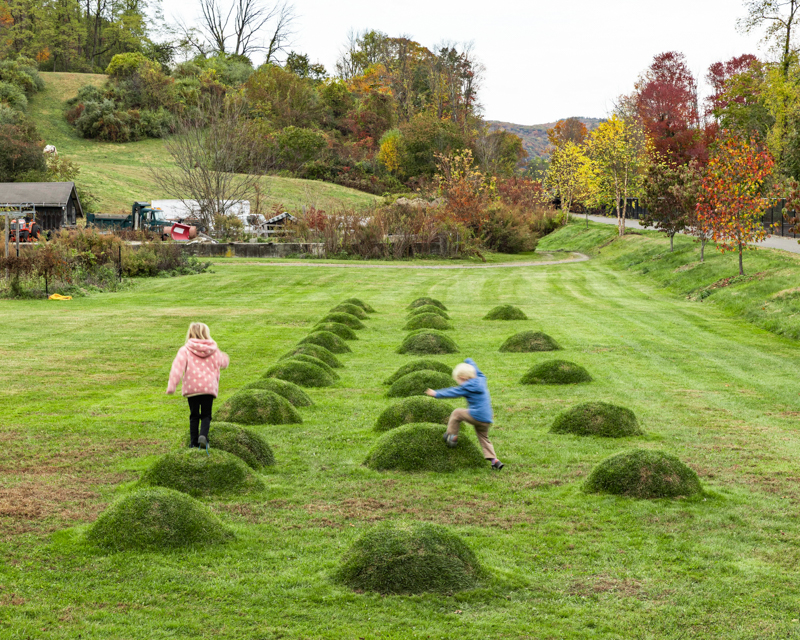
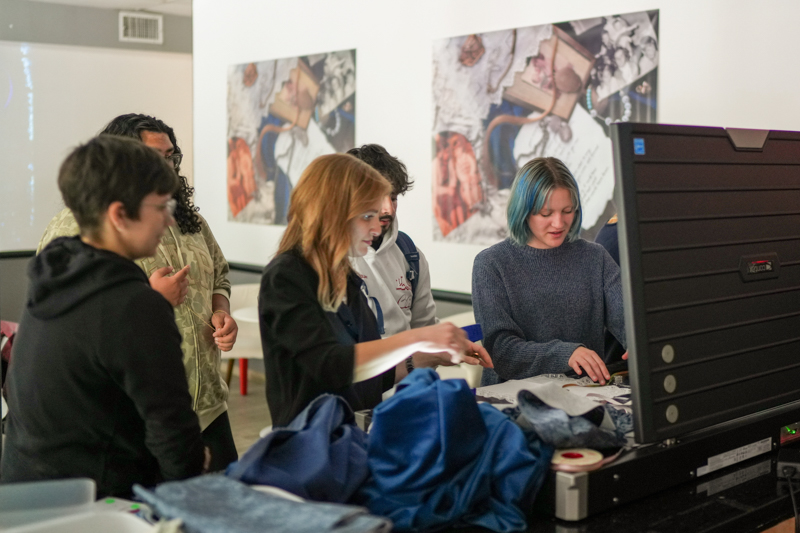
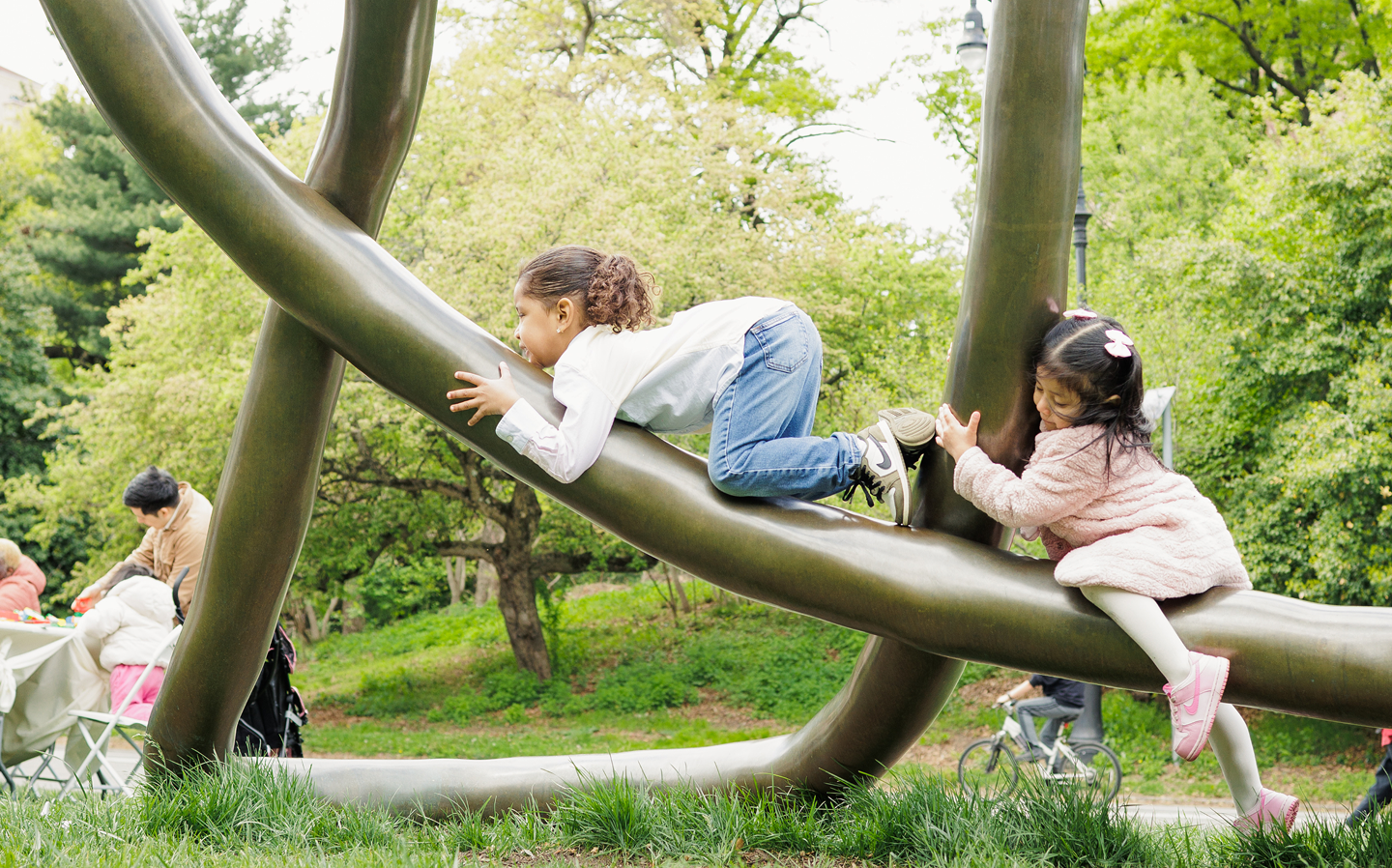
The sculptures do not arrive as a finished artwork; instead, the series serves as a living platform for community-led programming, partner activations, and localized dialogue. The work weaves itself into the local fabric, functioning as a living entity that adapts to and learns from the distinct communities it inhabits. By understanding how care manifests in different regions, Monuments to Motherhood evolves into a rich, collective conversation that adapts to and learns from the people who host it.
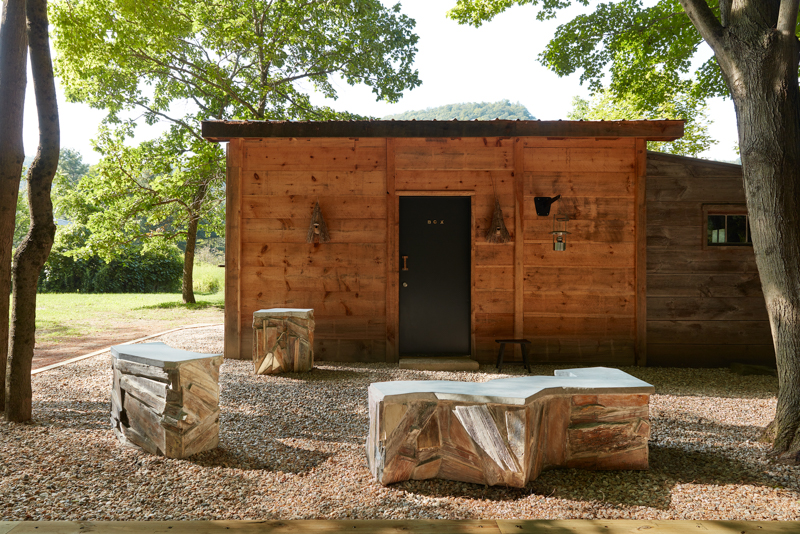
As the sculptures live within public spaces over time, their surfaces naturally age, capturing and preserving the physical traces of human interaction—permanently documenting a unique, shared history of use, play, and community-helmed dialogue.
Our Collaborative Ecosystem
About the Artist, Molly Gochman
−
Molly Gochman, an artist deeply engaged in social practice, focuses on activating spaces for profound collective experiences. Her practice encompasses a diverse range of mediums including photography, sound, installation, and sculpture. Through these mediums, she often challenges and subverts conventional material boundaries to foster interaction, play, exploration, and meaningful dialogue. Central to her current practice is the Monuments to Motherhood series. Shifting the traditional role of the sculptor from a provider of monuments to a facilitator of public space, Gochman utilizes these installations as interactive “Third Spaces”—open, physical infrastructures designed to catalyze community engagement and amplify local advocacy across any and all communities. Using the project’s journey in Mexico as the foundational template for this ideology, she operates within an ally and listener framework, positioning her work as an ongoing, collaborative platform that mirrors global strides toward the “care for everyone” movement. By prioritizing social process over a static object, her sculptures remain intentionally incomplete until activated by the public, leaving a living trace of a community’s unique presence.
Learn about Molly's artistic practice →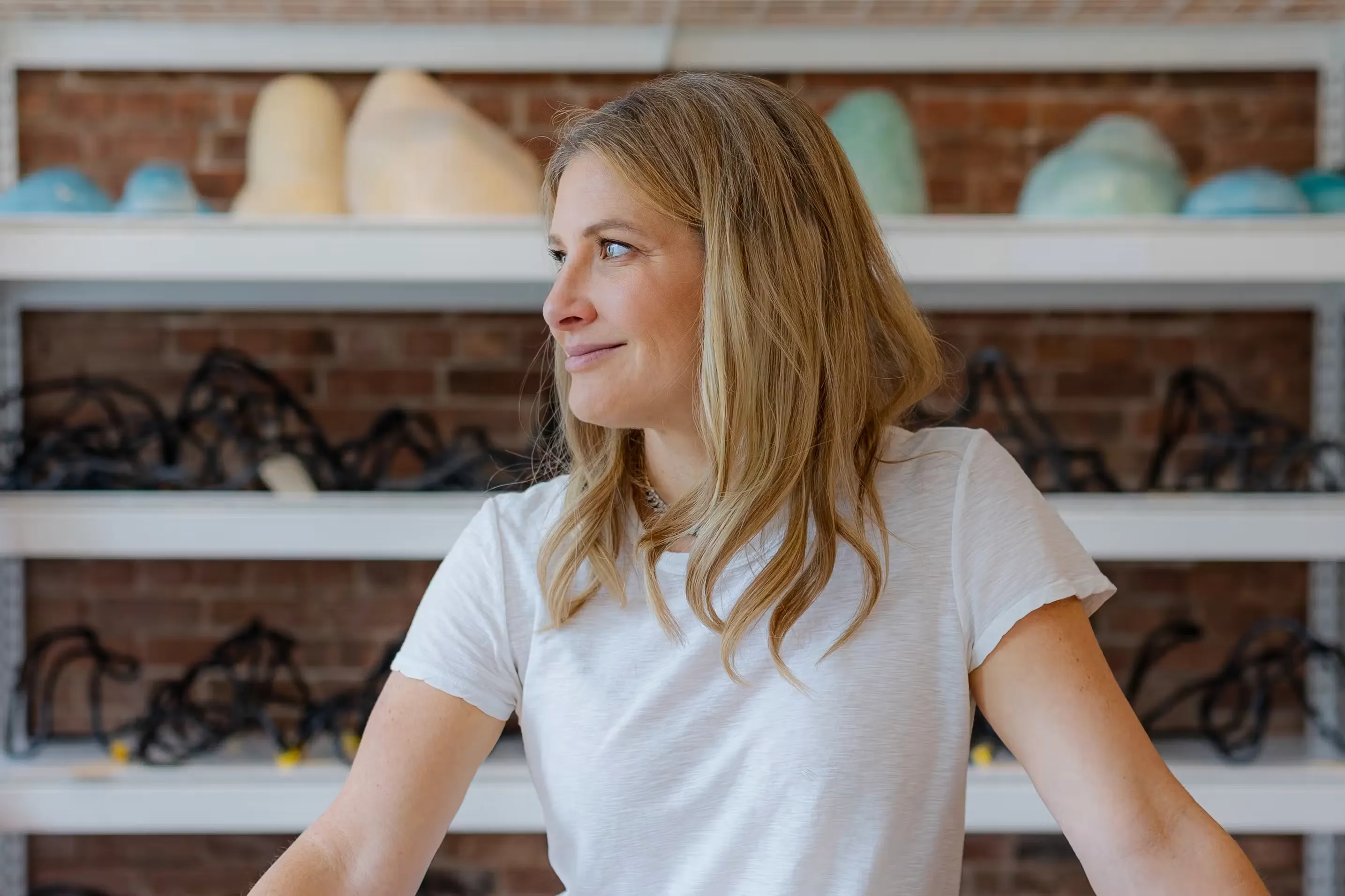
Community & Institutional Partners
+
Arca Tierra restores Xochimilco's chinampas through regenerative farming, connecting smallholder producers across Mexico with sustainable food baskets and rural tourism experiences.
Visit their website →CACEH advocates for domestic workers' rights in Mexico, offering training, legal literacy, and leadership development to advance labor justice and dignity.
Visit their website →Colectivo de Pueblos Originarios unites women artisans from across Oaxaca's eight regions, preserving textile traditions through collaborative economy, care, and authentic community representation.
Visit their website →DECIDIDAS is Latin America's largest women's leadership summit, amplifying women's voices and driving economic empowerment through storytelling, partnerships, and regenerative practices.
Visit their website →Fundação Maria Cecilia Souto Vidiga advocates for early childhood development in Brazil, driving public policy and mobilizing society to protect and nurture children through age six.
Visit their website →MMDC is a community development organization revitalizing Memphis's Medical District, connecting neighborhoods, businesses, and institutions through economic growth and equity programs.
Visit their website →Oxfam Mexico fights inequality and poverty through humanitarian response, gender justice, migrant rights advocacy, and economic justice initiatives across vulnerable communities.
Visit their website →Prospect Park Alliance sustains, restores, and advances Brooklyn's beloved park, providing programs, green space, and community engagement in partnership with New York City.
Visit their website →Utopías Iztapalapa transforms public spaces into community hubs offering art, sports, culture, and nature programming that strengthens neighborhoods across Mexico City's Iztapalapa district.
Visit their website →Wassaic Project is an artist-run nonprofit in upstate New York offering contemporary art exhibitions, artist residencies, and community-focused education programs for all ages.
Visit their website →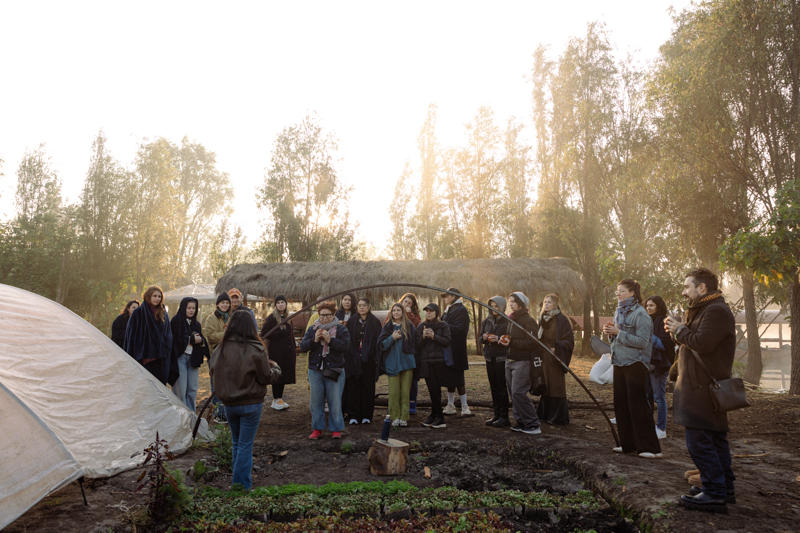
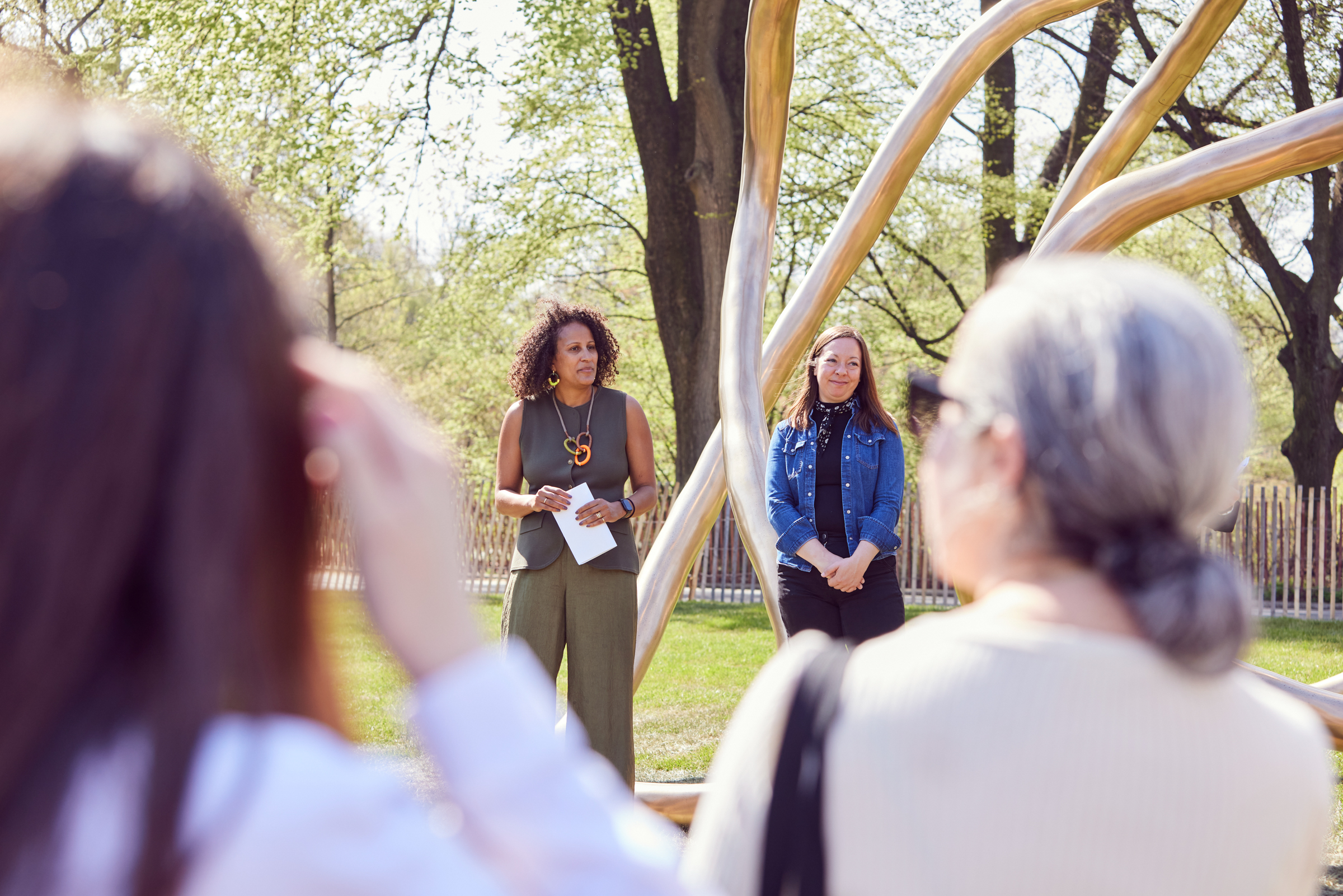
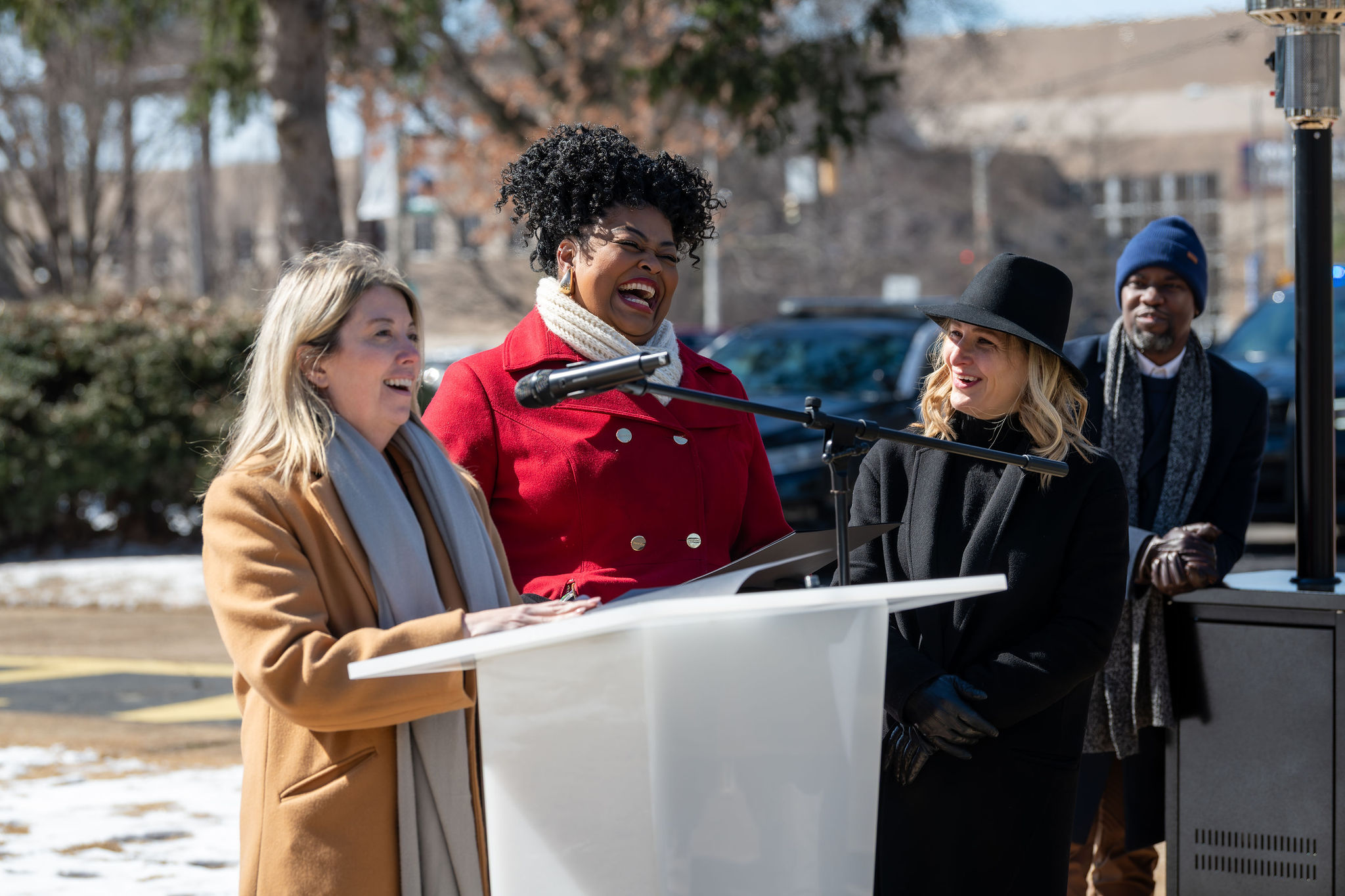
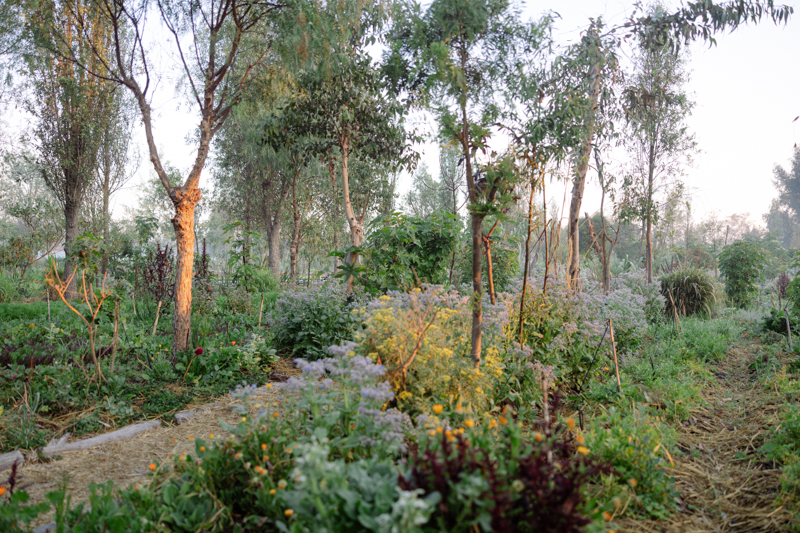
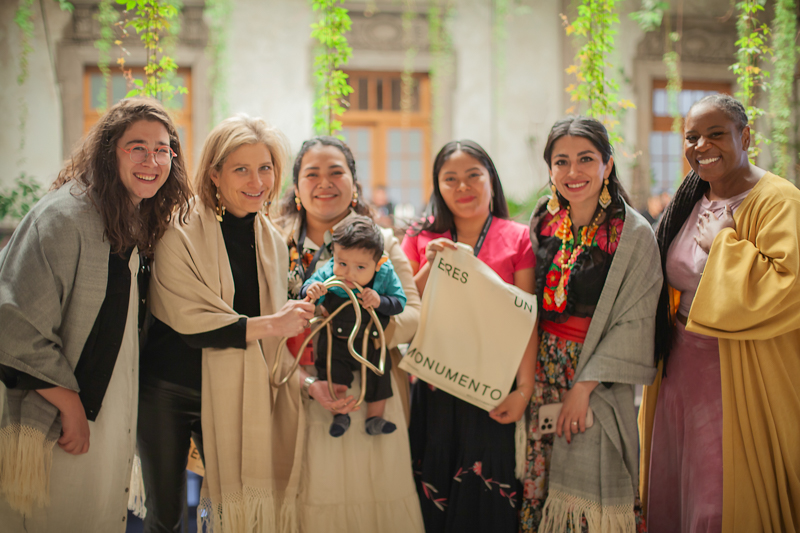
Monuments to Motherhood extends far beyond the physical sculptures through an eight-episode companion podcast series. The conversations travel outward from the physical installation sites, gathering activists, artists, and caregivers to share how care shapes lives across different backgrounds and experiences.
Following its first season, the podcast is evolving alongside a multi-year exhibition tour in Mexico. The upcoming second season steps directly into the heart of Mexican communities to focus on the lived experiences of care. Serving as an invitation to listen deeply to how care is cultivated, sustained, and prioritized in new contexts, Monuments to Motherhood Podcast: Season 2 weaves new voices into a shared global narrative.
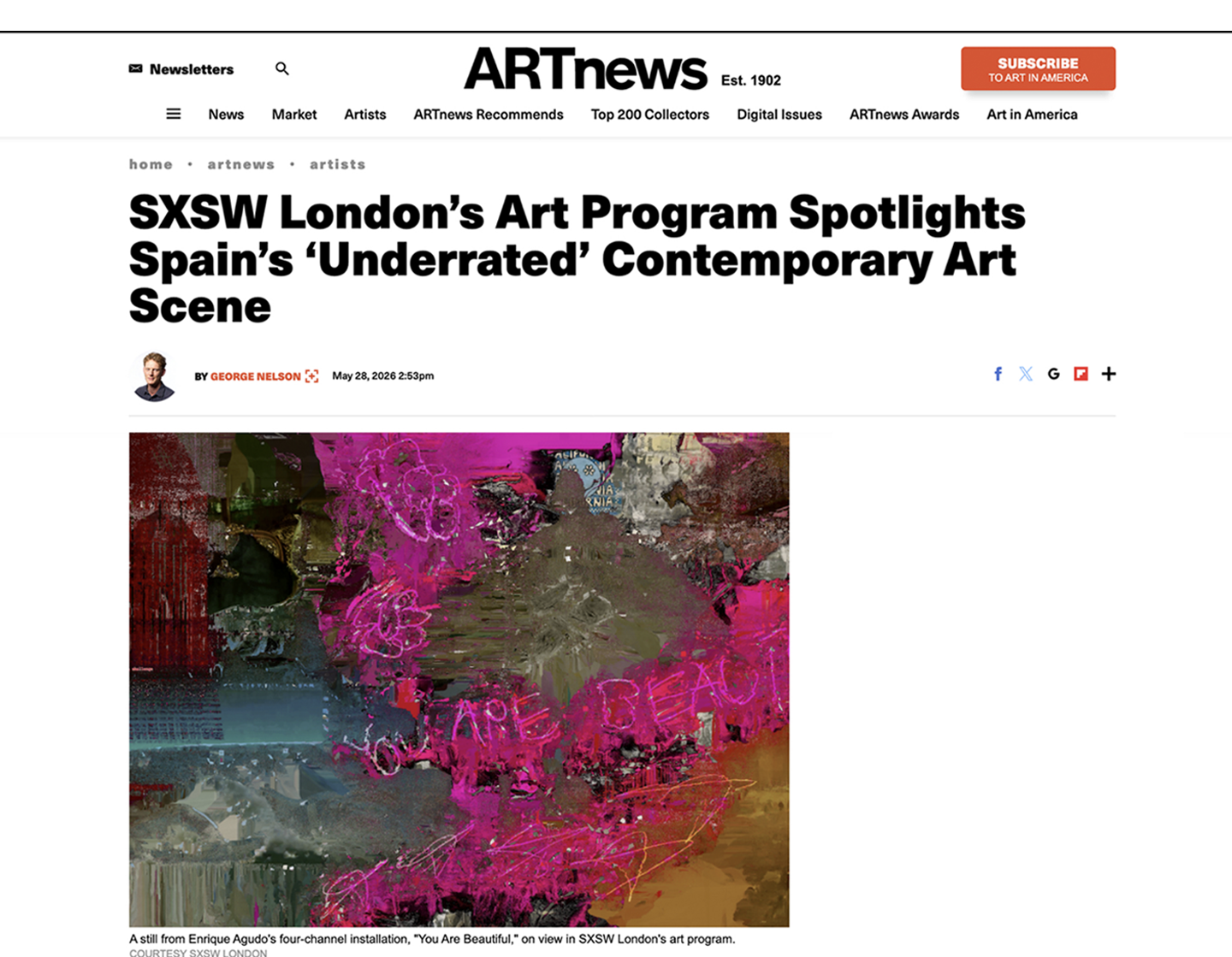
SXSW London's Art Program Spotlights Spain's 'Underrated' Art Scene
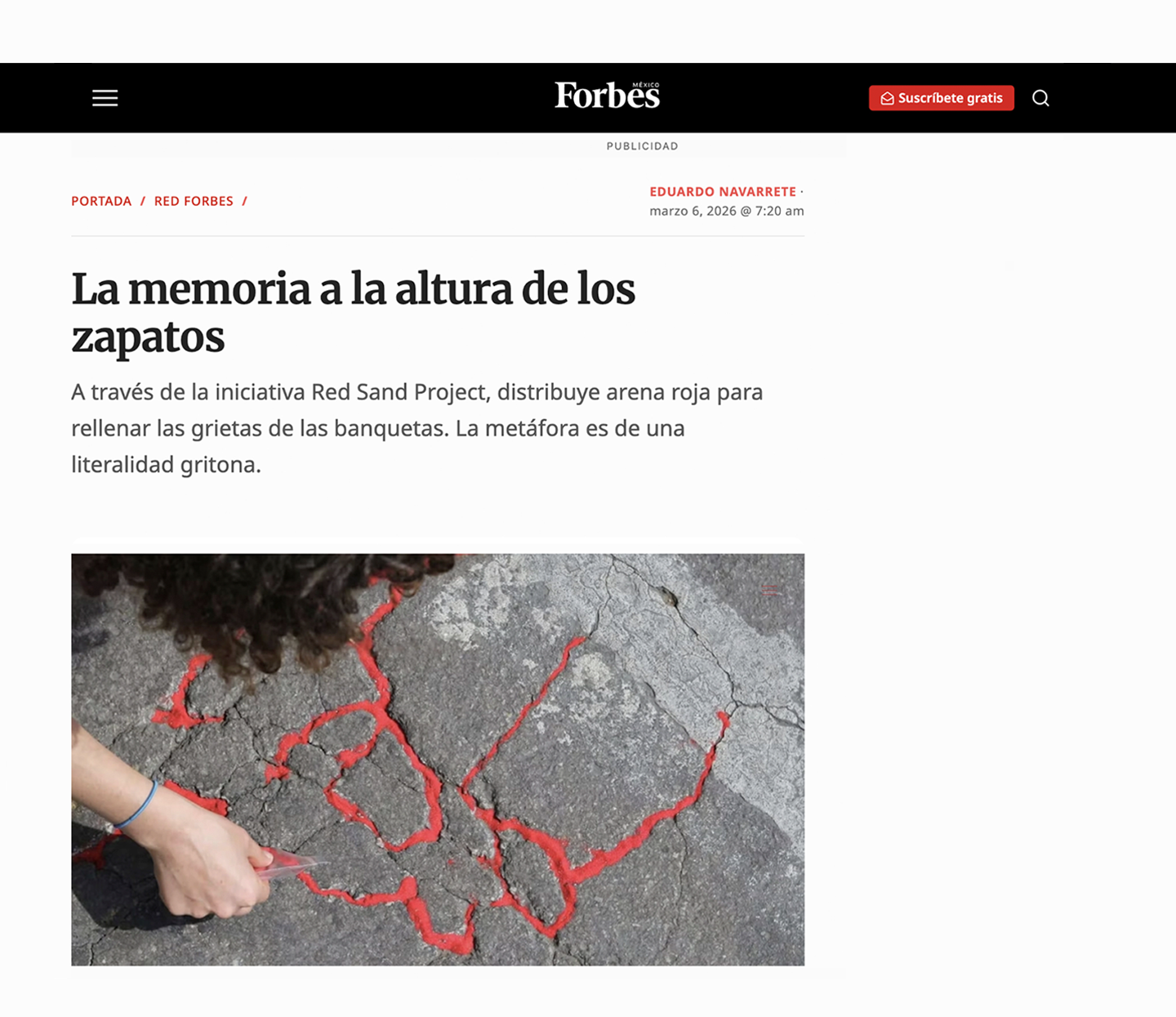
La memoria a la altura de los zapatos
La artista Molly Gochman exalta que 'el cuidado no es un asunto doméstico'
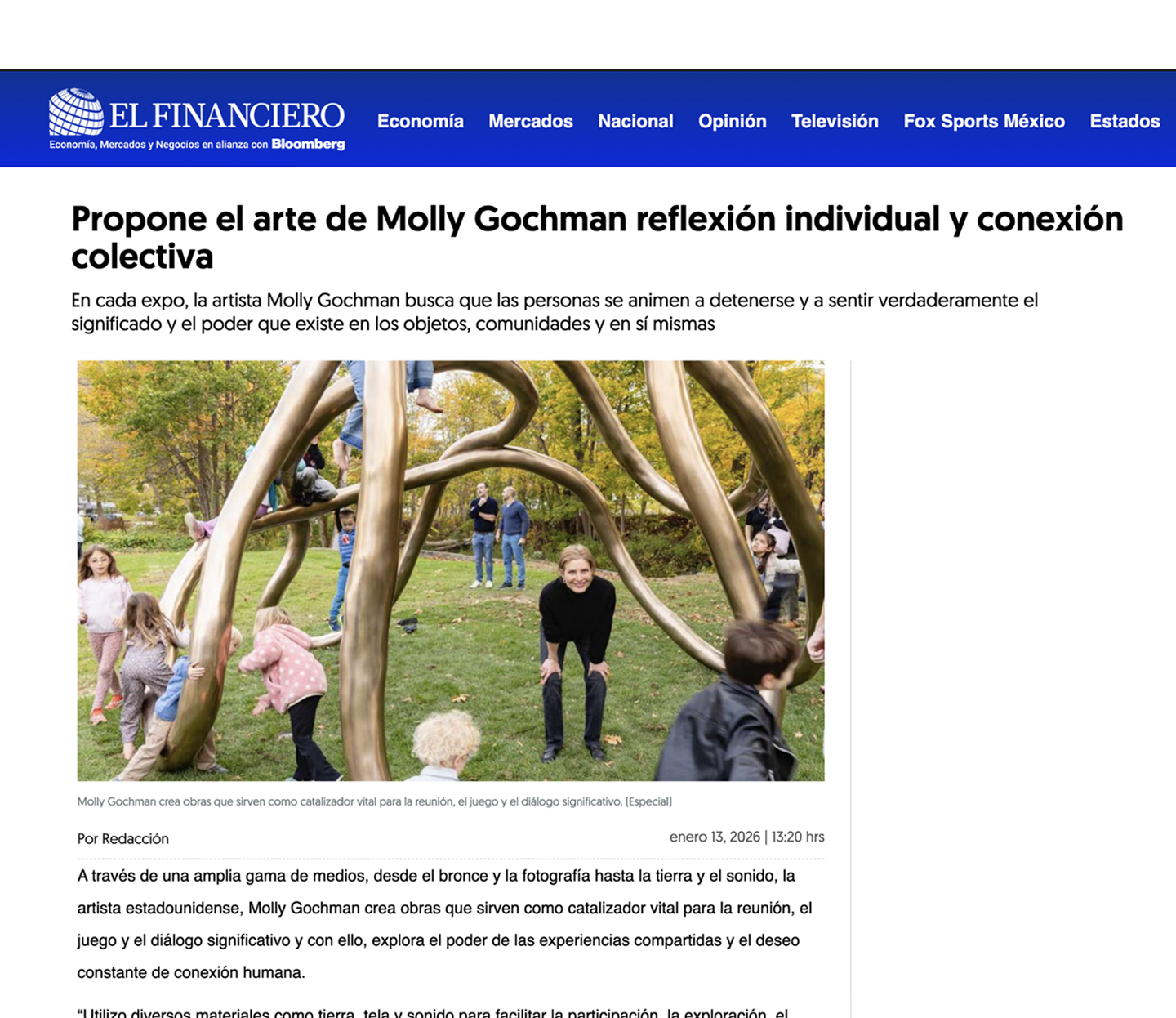
Propone el arte de Molly Gochman reflexión individual y conexión colectiva
La artista Molly Gochman traerá su propuesta interactiva a México
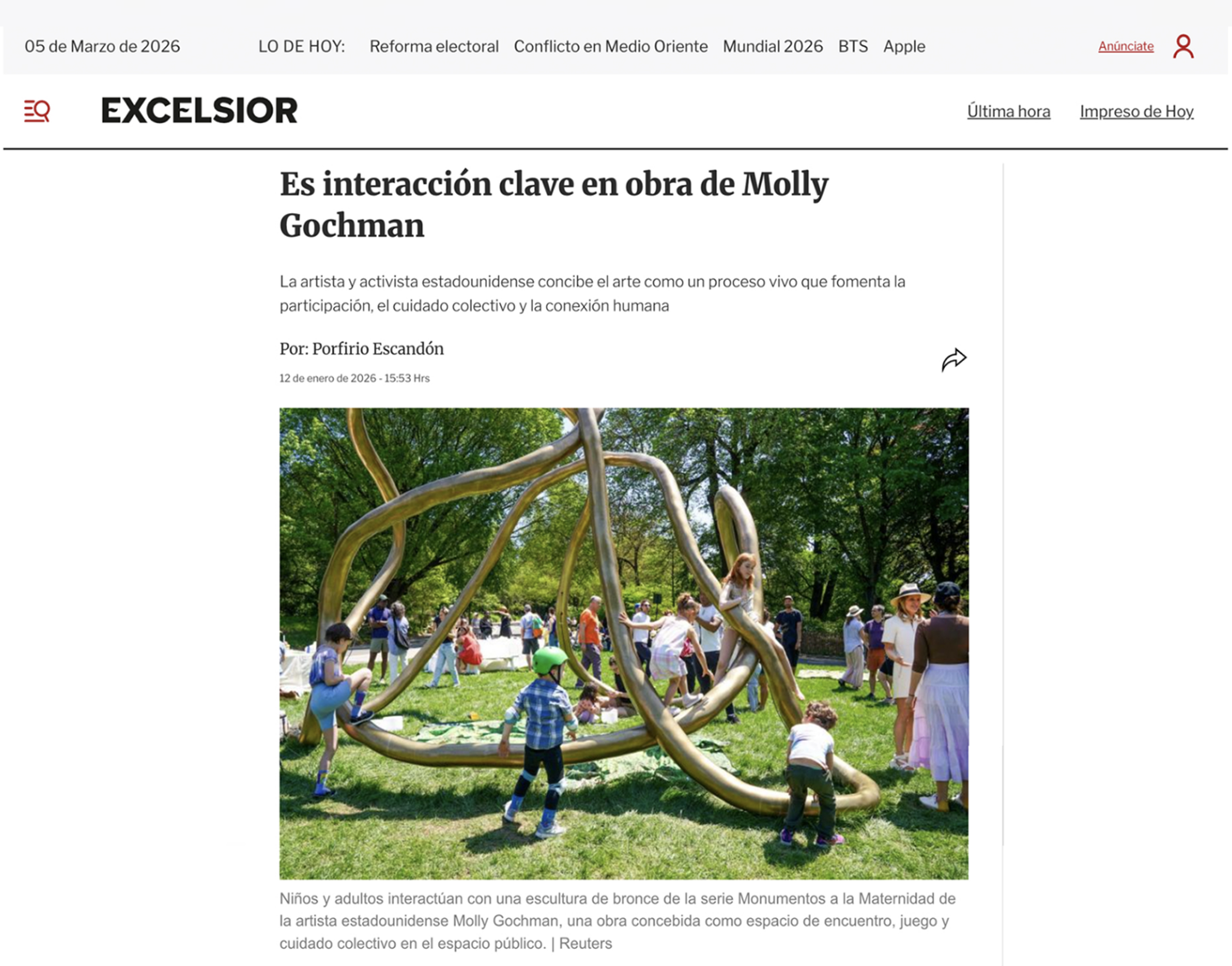
Molly Gochman y su arte social: participación, cuidado y comunidad
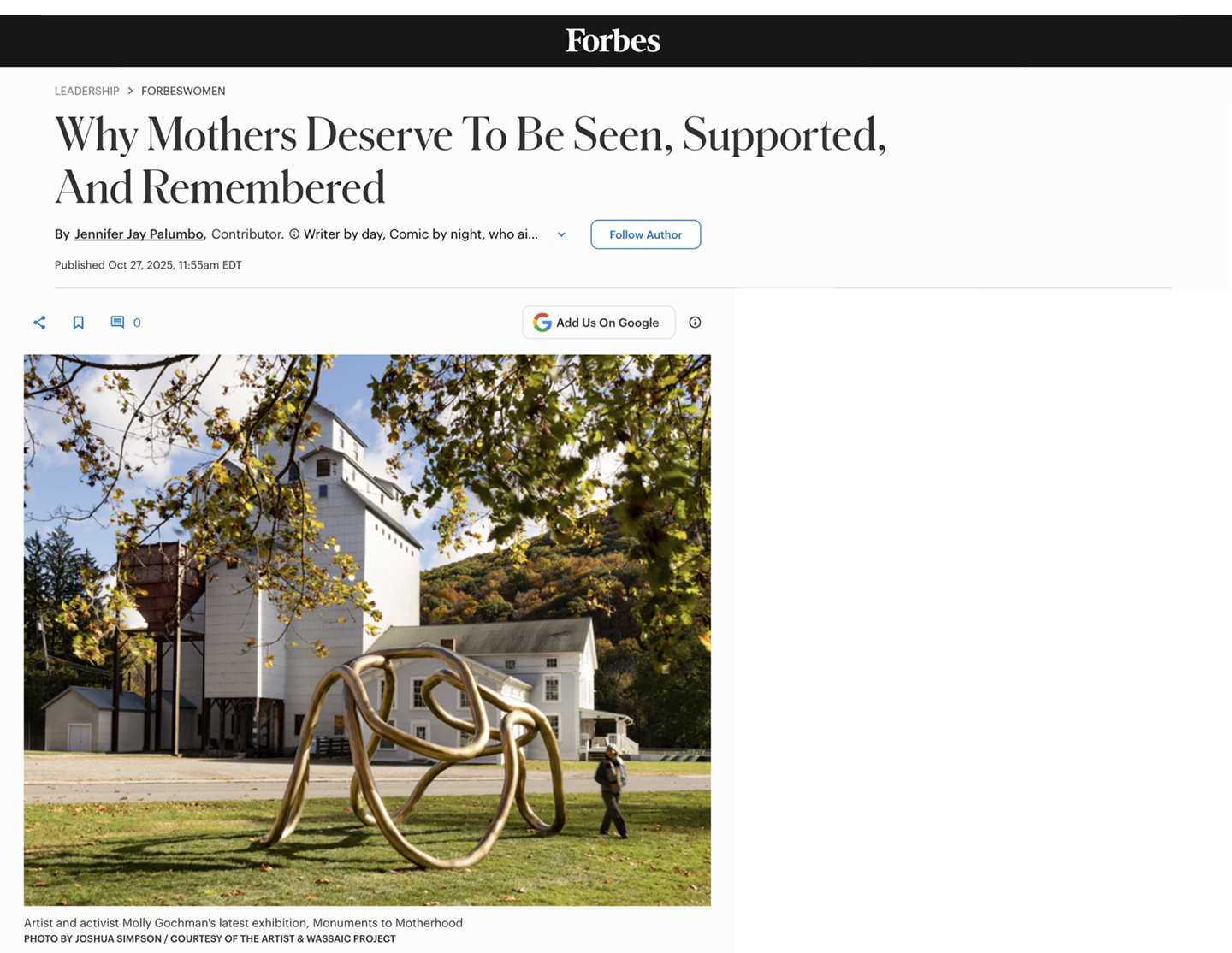
Why Mothers Deserve To Be Seen, Supported, And Remembered
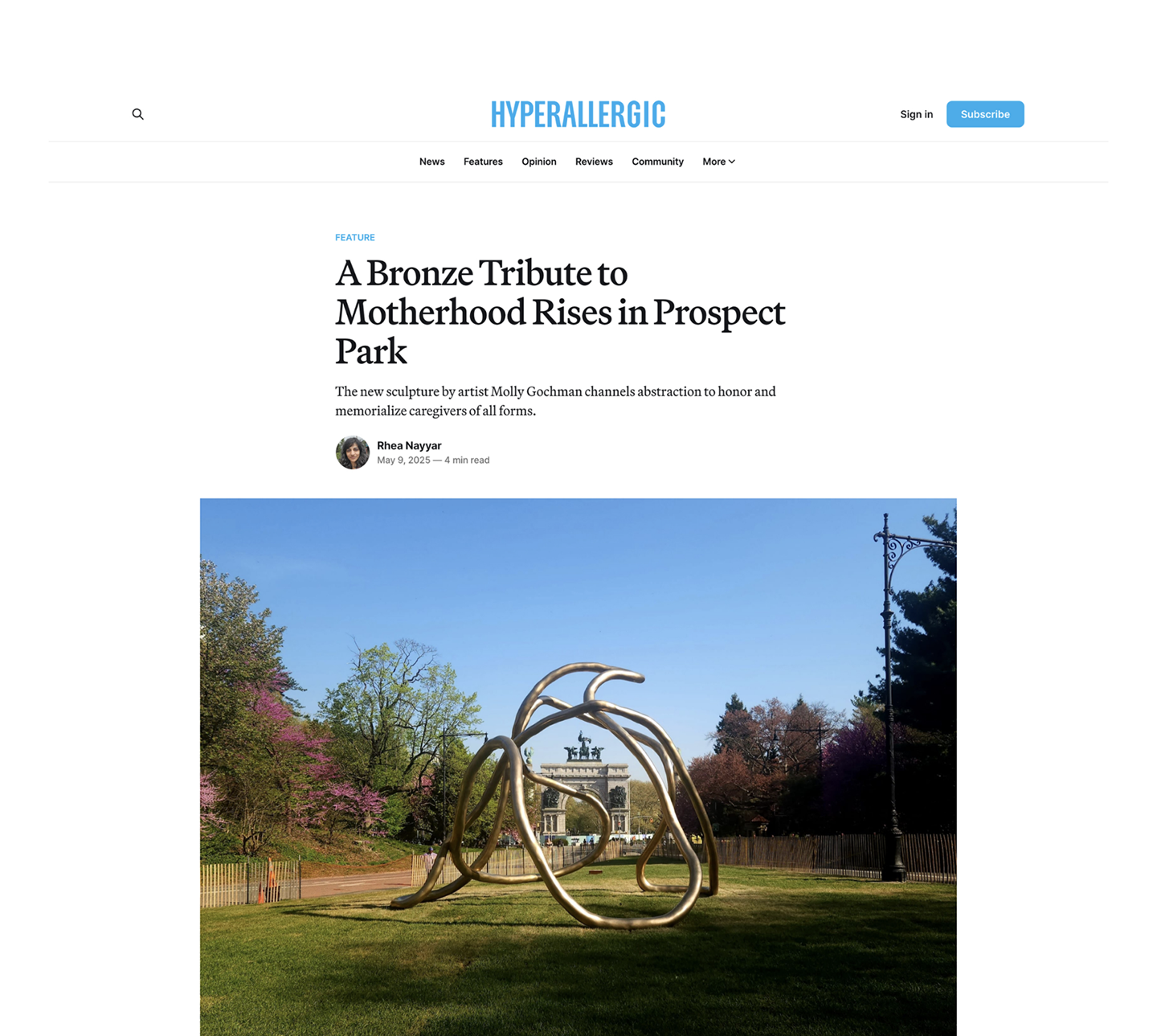
A Bronze Tribute to Motherhood Rises in Prospect Park
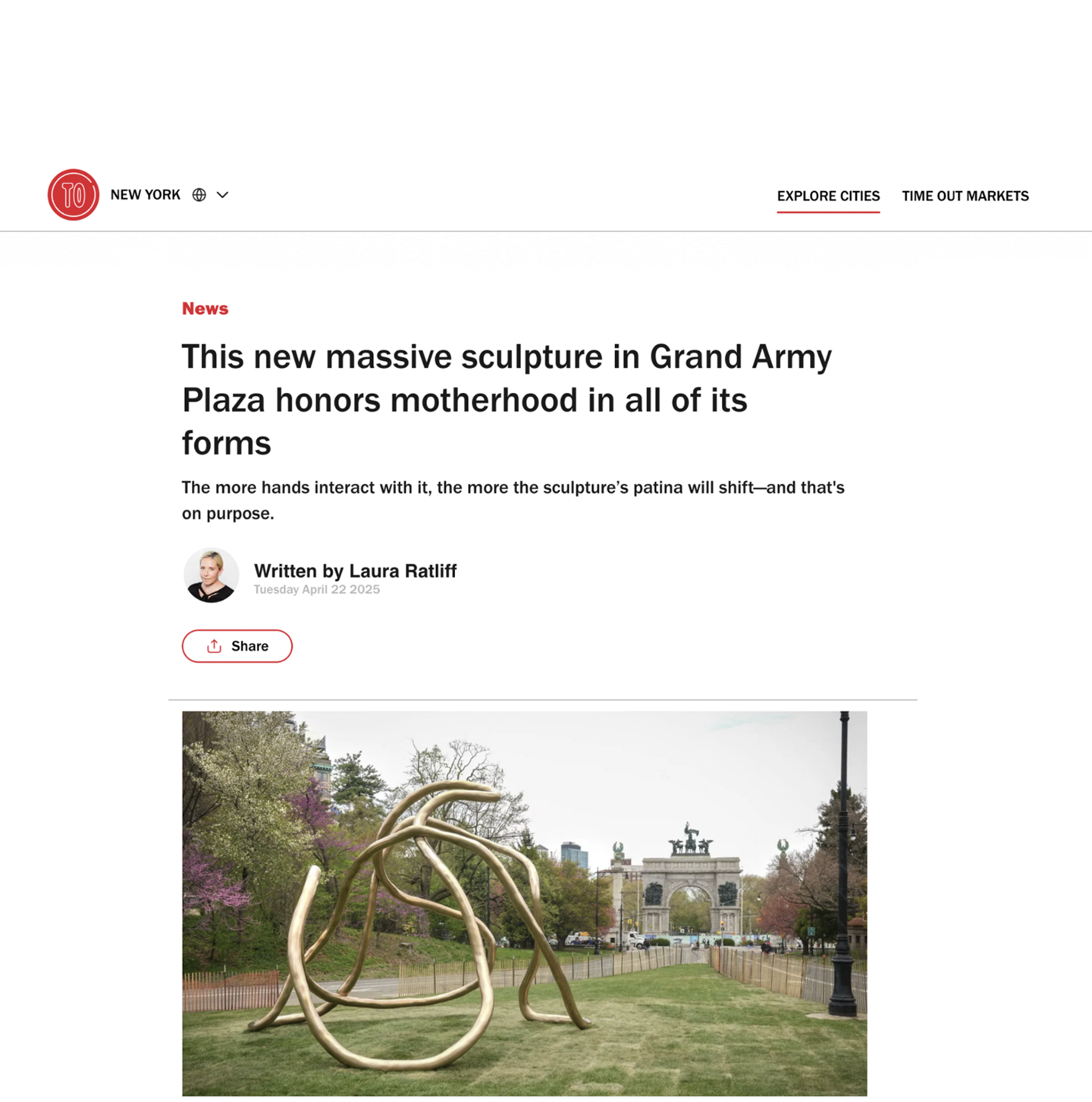
This new massive sculpture in Grand Army Plaza honors motherhood in all of its forms
Monuments to Motherhood in Prospect Park (Brooklyn, NY)
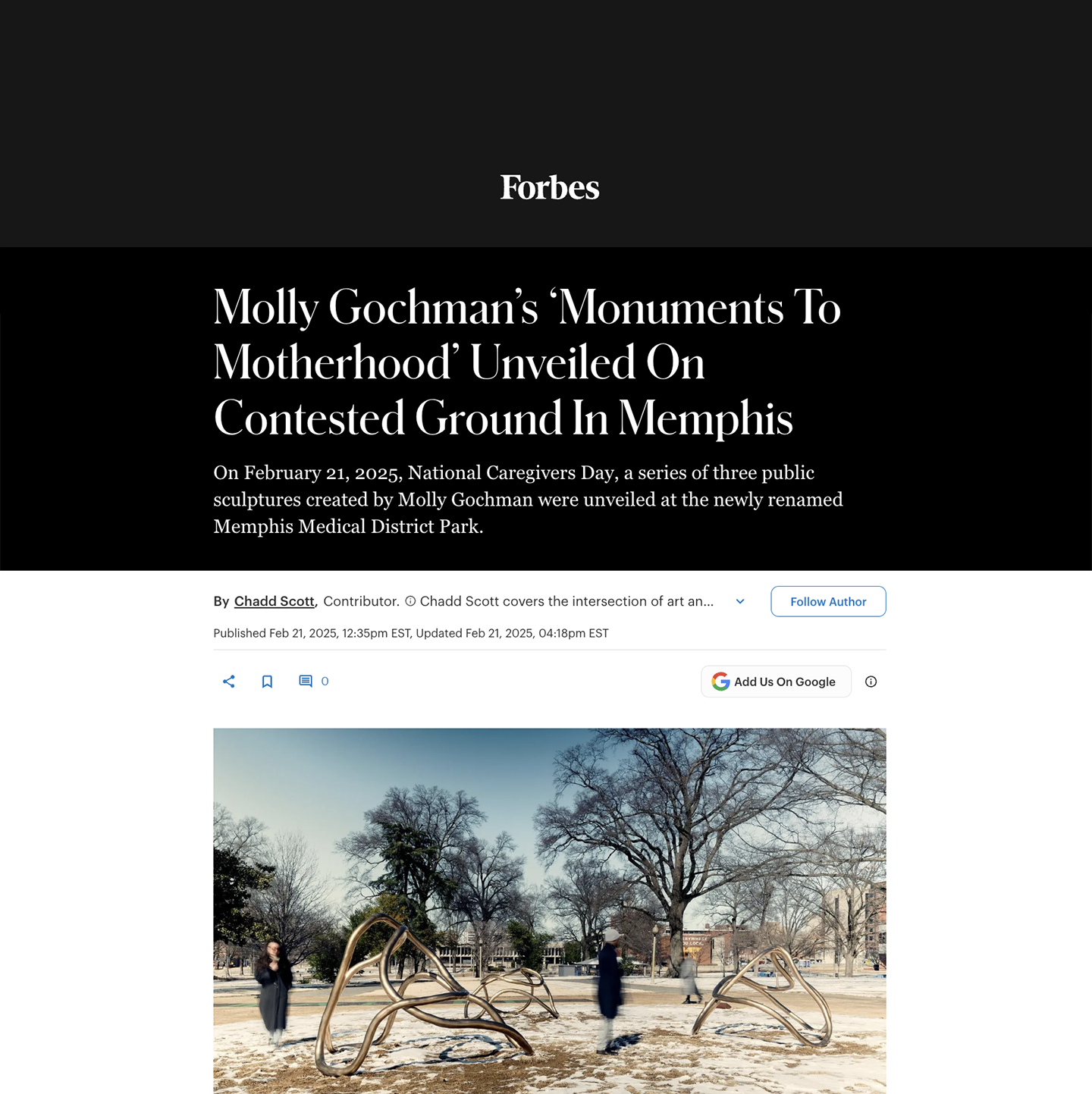
Molly Gochman's 'Monuments To Motherhood' Unveiled On Contested Ground In Memphis
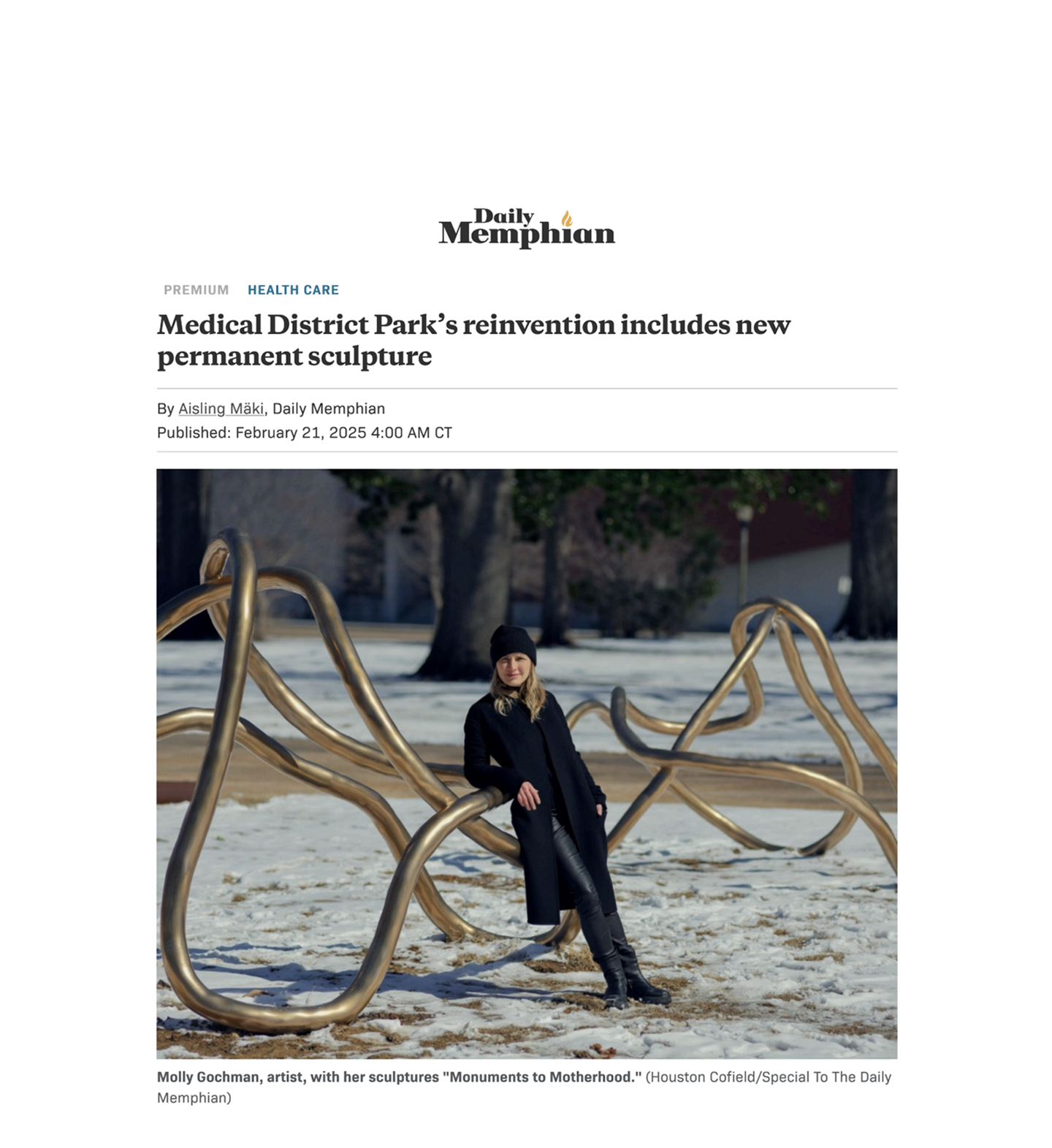
Medical District Park's reinvention includes new permanent sculpture
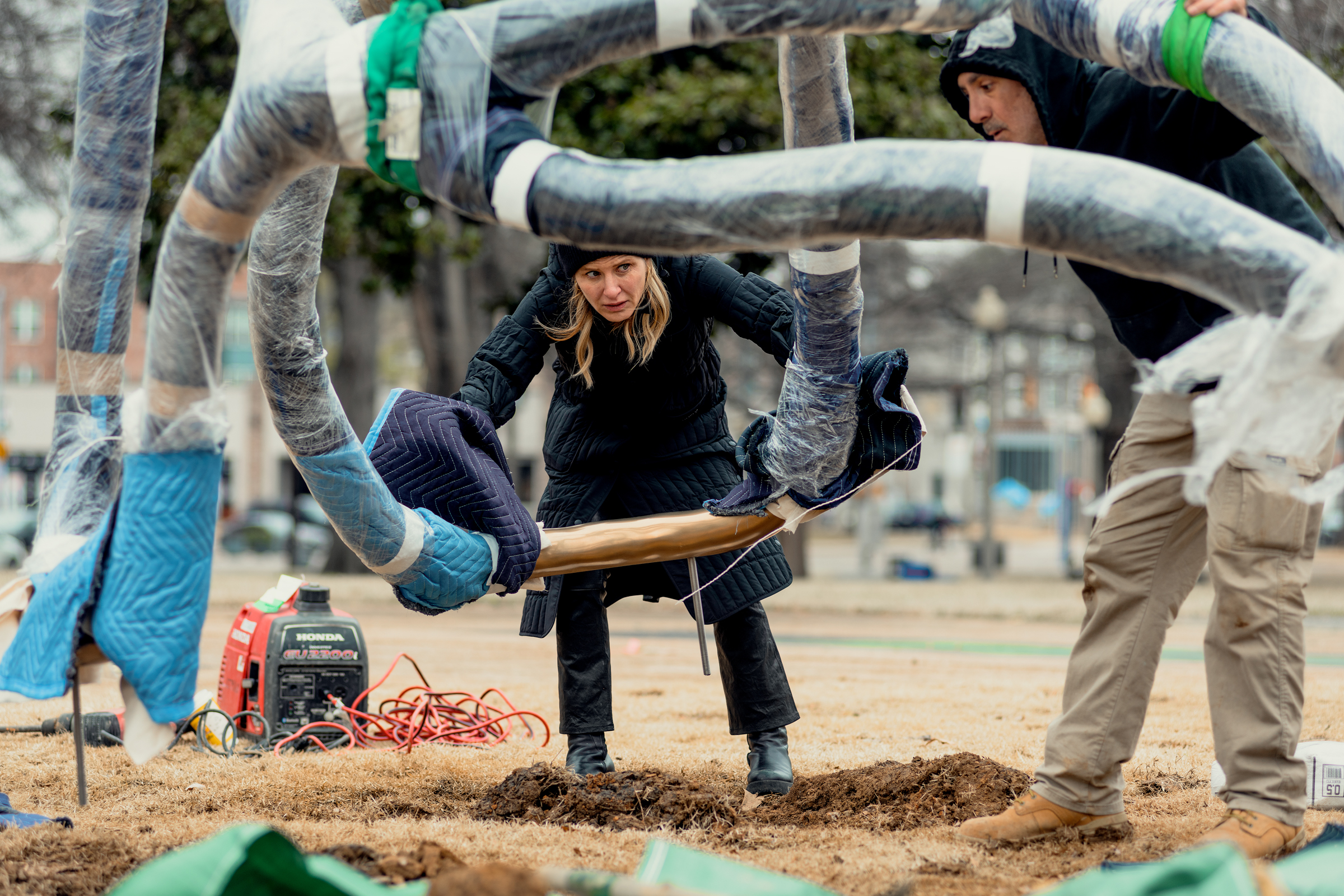
Monuments to Motherhood in Memphis Medical District (Memphis, TN)